 English
 中文简体
 русский
 Español
 عربى

Who We Are

News & Updates
-
01
-
02


Custom Self-Priming Centrifugal Pumps Manufacturers
Self-priming pumps are engineered with integrated air-evacuation and priming capabilities, removing the need for manual priming of the suction line. The internal geometry creates a vacuum upon startup to lift liquids from lower elevations. Their compact design and simplified operation are critical for applications where the liquid source is below the pump centerline, such as environmental recycling and sump drainage.
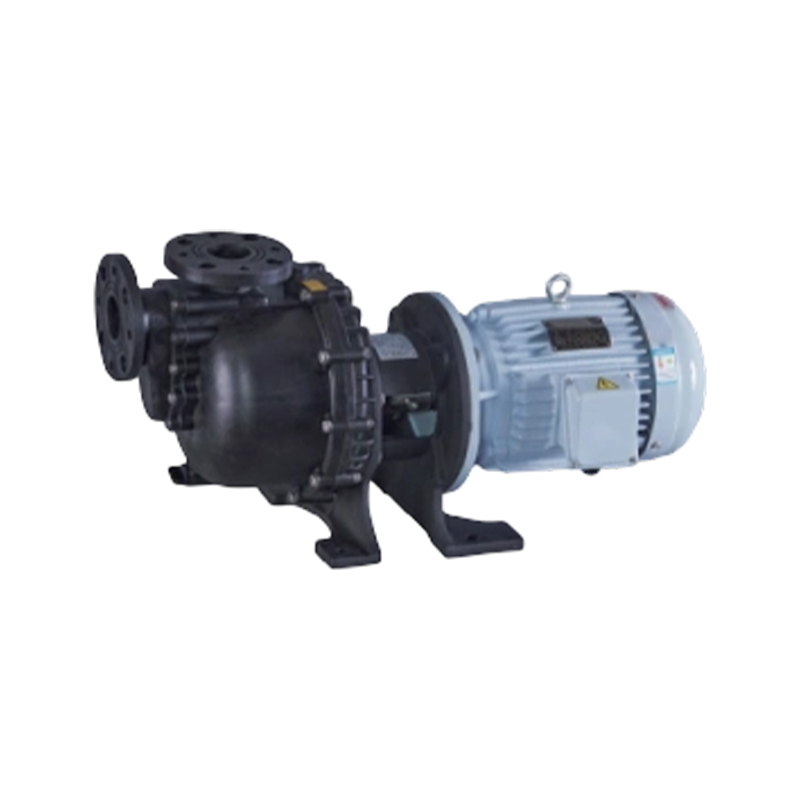
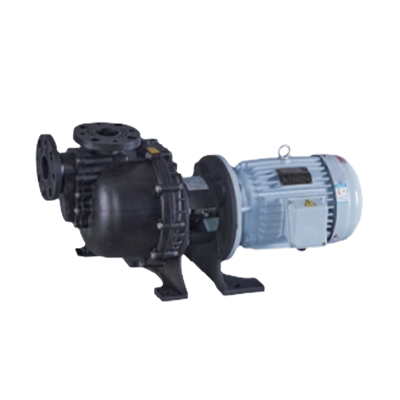
Jiangsu Syeelai Environmental Technology Co., Ltd. designs and manufactures corrosion-resistant fluid transfer equipment at our facility in Yixing, Jiangsu, China. Within the chemical pump family, we supply the YD Series Coaxial Self-Priming Pump for duties where the liquid source sits below the pump centerline. As Custom Self-Priming Centrifugal Pumps Manufacturers, we configure every machine around the actual duty point, suction condition and media rather than a catalogue size.
Self-priming technology matters when a tank, sump or pit level is lower than the pump. Instead of filling the suction line manually at every start, the pump evacuates air internally, creates a vacuum and lifts the liquid. This simplifies batch transfer, recycling circuits and drainage duties across chemical, environmental and water treatment plants.
Engineered for Low-Level Liquid Transfer
Self-priming centrifugal pumps combine integrated air evacuation with centrifugal pumping. On start-up, the internal geometry removes air from the suction line and creates a vacuum, drawing liquid upward from a lower elevation. The design removes the need for manual priming of the suction line and restores prime if air enters during operation.
Typical applications supported by this configuration:
- Sump drainage and environmental recycling
- Chemical transfer from underground or recessed tanks
- Electroplating bath transfer and periodic dumping
- Wastewater collection and transfer
- Feed duties for filtration and dosing systems
YD Series Coaxial Self-Priming Pump
The current product family in this category is the YD Series Coaxial Self-Priming Pump. The coaxial arrangement keeps the pump and motor on one axis, reducing the footprint and simplifying alignment during installation. The integrated priming chamber and impeller evacuate the suction line at start-up and restore prime after air ingress, which suits intermittent and batch operation.
| Feature | Benefit for the installation |
|---|---|
| Integrated air evacuation | No manual priming of the casing or suction line before every start |
| Vacuum creation on start-up | Lifts liquid from below the pump centerline |
| Coaxial compact construction | Smaller footprint, easier skid or cabinet integration |
| Corrosion-resistant wetted components | Suitable for acid and alkali chemical service |
| Simplified operation | Reduced operator attention during batch transfer |
Model selection within the YD series is driven by the hydraulic duty: required flow, total head, suction lift and pipe friction influence impeller size, motor power and nozzle dimensions. Each proposal is supported by a hydraulic calculation and a performance curve, not a generic specification sheet.
Materials and Media Compatibility
Because the YD Series belongs to our acid- and alkali-resistant chemical pump range, wetted material selection is a project decision. Media concentration, temperature, specific gravity and viscosity influence which casing, impeller, shaft seal and elastomer materials are specified.
For aggressive or mixed chemical duties, we confirm compatibility with the actual chemical list before manufacture and record the material set in the proposal. Where lines are cleaned with caustic or acid between batches, the selected materials must withstand both the process stream and the cleaning cycle.
Configuration and Customization Approach
To suit the pump to the real installation, the configuration process starts from site data, not from a single standard model. This covers:
- Suction lift height, suction line length and internal diameter
- Required flow rate and total discharge head
- Nozzle size, connection standard and orientation
- Baseplate, direct-coupled or skid-mounted arrangement
- Motor voltage, frequency, phase and enclosure class
Our flexible production mode balances stable delivery of standard pumps with efficient response to customized demands. When the pump is part of a larger transfer or dosing station, we coordinate its piping, valve selection and control interface with the rest of the Chemical Pump range and with related Products on the skid.
Automation and Control Integration
Self-priming pumps are straightforward to integrate into automated lines. Level switches, flow switches and remote start/stop signals can control the pump, and interlocking with tank level or filter status prevents dry running and overflow.
For package systems, the control cabinet, cable entry and signal interface are defined at project level so the pump matches the plant control philosophy. Pressure gauges, back-pressure valves and pulsation dampers can be added where suction or discharge conditions require them.
Quality Assurance and Acceptance Testing
Quality control follows a full-chain inspection system. Raw materials are sampled and verified on arrival, fixed-point patrol inspections run during production, and finished pumps receive full-performance verification before release. Complete inspection data is recorded and retained for traceability.
Before shipment, each pump is checked for hydraulic performance, mechanical running and sealing. Custom machines are documented against the agreed specification so the delivered unit can be accepted on site against the project requirements.
Installation, Commissioning and Lifecycle Service
Support covers the full equipment lifecycle: 24/7 responsive service, remote diagnosis, on-site guidance and after-sales maintenance. Each project receives an exclusive service file, and we proactively track operation status to help lines run continuously. For transport, pumps are packed in industrial-grade protective packaging suited to the route and loading conditions, and logistics nodes are synchronized to keep delivery visible.
For long-term reliability of a self-priming pump installation:
- Keep the suction line airtight; leaks degrade priming performance
- Inspect and clean the strainer or foot valve regularly
- Check the mechanical seal area for leakage
- Keep the priming chamber and impeller free of debris
- Verify motor rotation direction after installation and after electrical work
Information We Use to Configure Your Solution
To prepare a suitable configuration and quotation, we use the following project data:
- Pumped medium, concentration, temperature, specific gravity and viscosity
- Required flow rate and total discharge head
- Suction lift height, suction line length and internal diameter
- Liquid source type and installation location — sump, tank, pit; indoor or outdoor
- Power supply voltage, frequency, phase and motor requirements
- Connection standard, nozzle size and mounting arrangement
- Duty cycle, control interface and site classification
A P&ID or site sketch together with the chemical list is enough to begin the engineering work. Our team returns a model selection, material recommendation, performance curve and a proposal matched to the line layout.
Frequently Asked Questions
What is the main advantage of a self-priming centrifugal pump over a standard centrifugal pump?
The integrated priming capability. The pump evacuates air from the suction line and lifts liquid from below the pump centerline without filling the casing manually at every start. That is the key benefit for sump drainage, tank transfer and recycling circuits.
How does the YD Series restore prime after air enters the line?
The integrated priming chamber and impeller continue to evacuate air during operation, so when liquid returns to the suction line the pump restores prime automatically. We review suction line layout and elevation to minimize conditions that allow air ingress.
Which media can the YD Series handle?
The YD Series is part of our acid- and alkali-resistant chemical pump family. Casing, impeller and seal materials are selected according to the specific chemical, concentration and temperature. We confirm compatibility before manufacture when the chemical list is provided.
Can the pump be supplied as part of a skidded transfer or dosing system?
Yes. Self-priming pumps are commonly integrated into chemical filtration and transfer stations together with mixers, filters, valves and metering pumps. Piping, mounting and control interfaces are coordinated during the design phase.
What documentation accompanies the delivered pump?
Proposals include the hydraulic calculation, performance curve and material specification. Delivered pumps are supported with inspection and test records, installation guidance and ongoing service support.

Through standardized quality inspection procedures, we strictly control every link from raw materials to finished products, ensuring each product meets high-quality requirements.
+86-13861218983 Telephone
+86-13861218983 whatsapp
[email protected] Email
No. 89, Gehu Road, Gaocheng Town, Yixing City, Jiangsu Province, China Factory
Get in TouchCopyright © Jiangsu Syeelai Environmental Technology Co., Ltd. All rights reserved.Custom Non-Clogging Self-Priming Pump Suppliers
