 English
 中文简体
 русский
 Español
 عربى

Who We Are

News & Updates
-
01
-
02




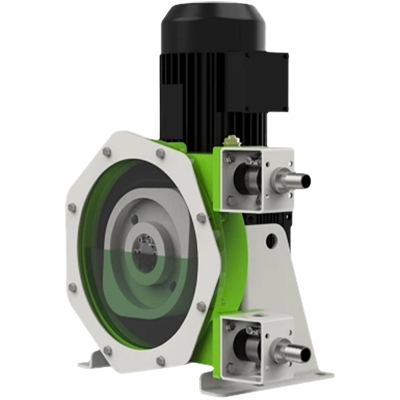
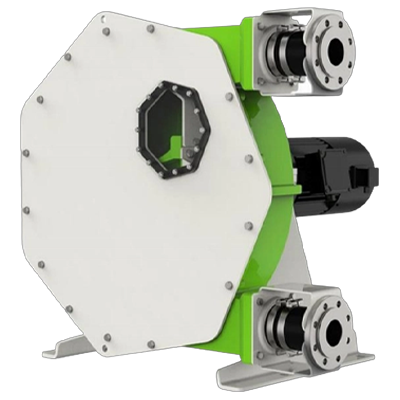
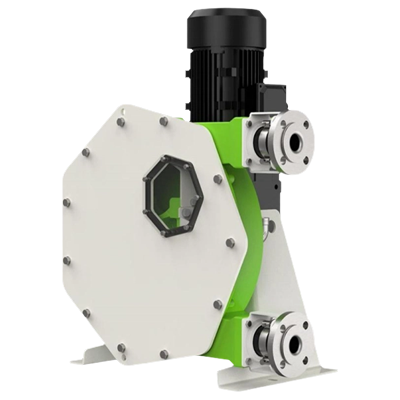
Custom Industrial Peristaltic Hose Pumps Manufacturers
Heavy-duty peristaltic pumps engineered for handling highly abrasive, shear-sensitive, or viscous slurries. Since the fluid only contacts the hose, these pumps eliminate seal failures and clogs, providing superior suction lift and dry-running capabilities.
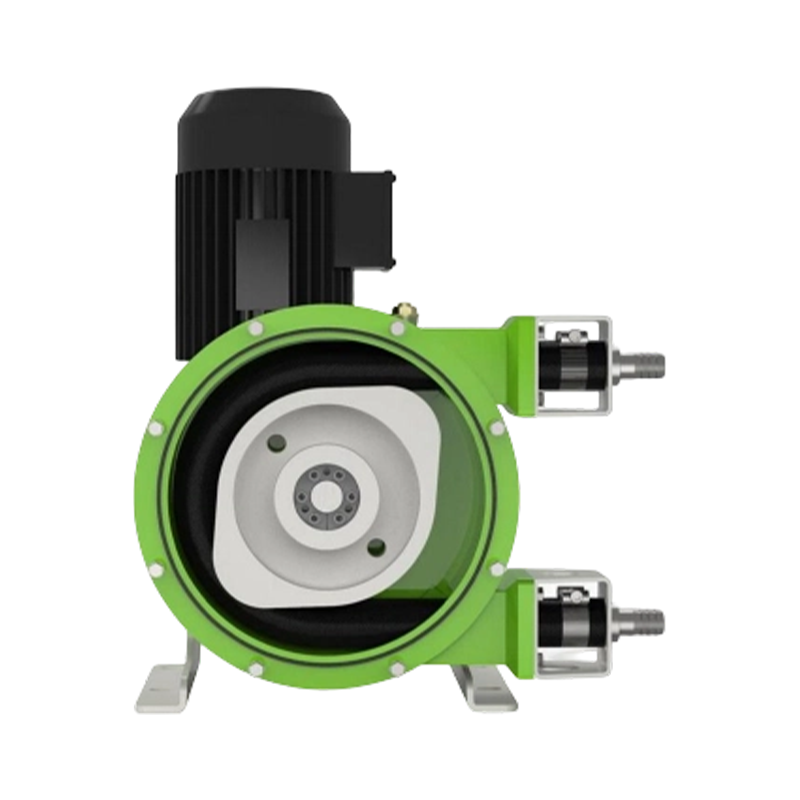
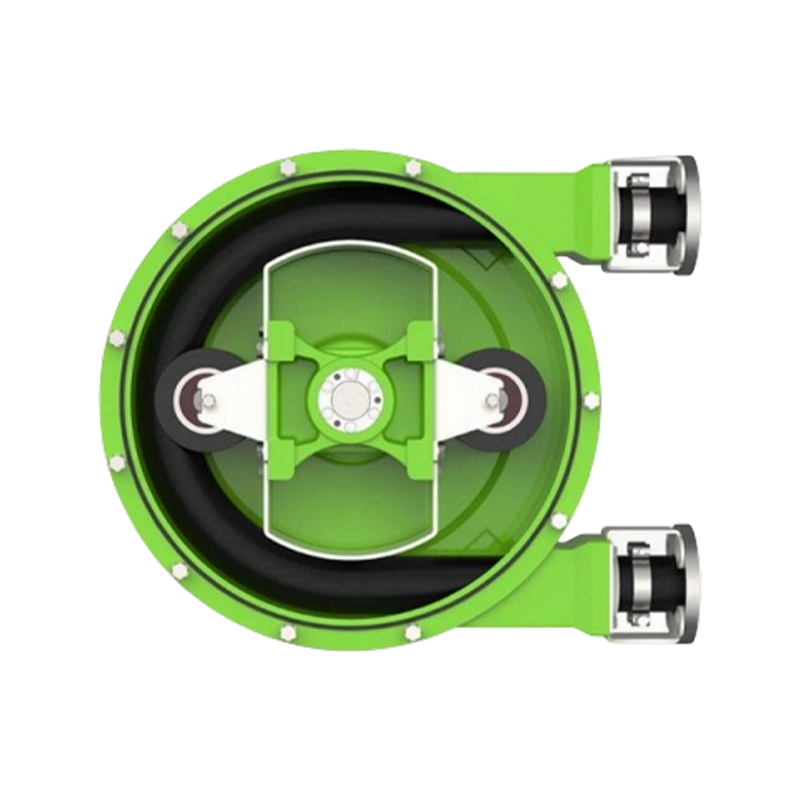
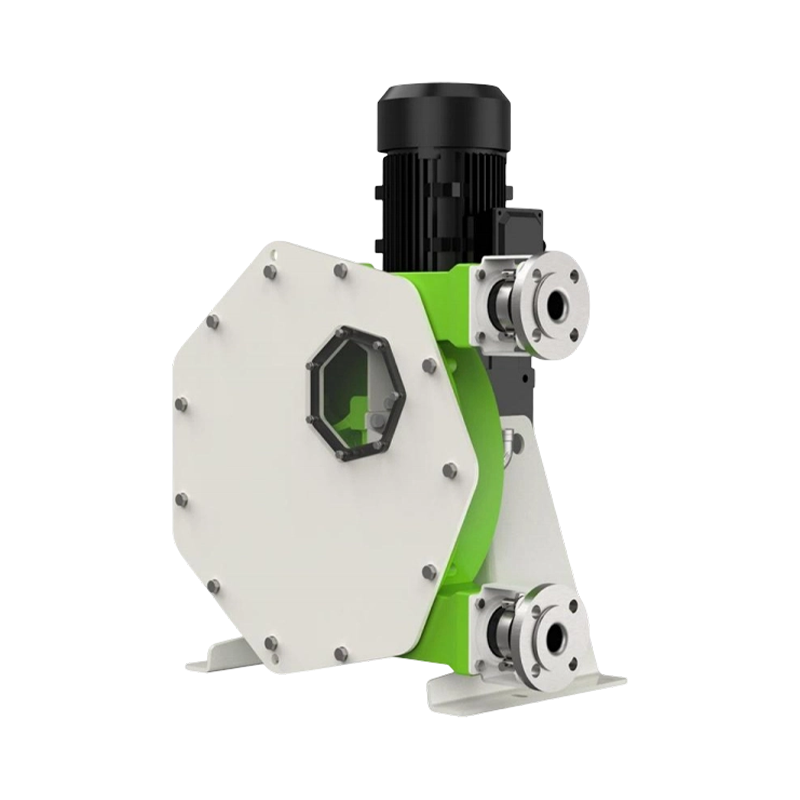
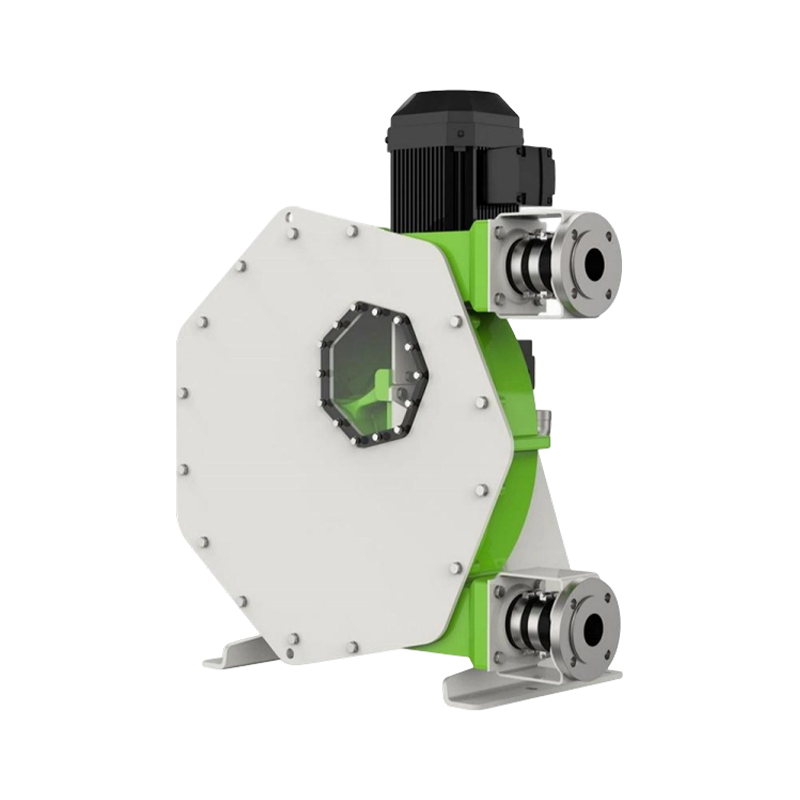

Heavy-Duty Hose Pumps for Abrasive and Shear-Sensitive Fluids
Jiangsu Syeelai Environmental Technology Co., Ltd. supplies industrial peristaltic hose pumps as part of our chemical pump range. The YM hose pump family is built for fluids that challenge centrifugal, diaphragm and conventional sealless pumps: high-solids slurries, viscous polymers, abrasive mineral suspensions and shear-sensitive chemicals. Since the fluid never leaves the hose, there is no mechanical seal to leak, no stuffing box to maintain and no narrow flow path to clog.
The Custom Industrial Peristaltic Hose Pumps category covers four YM platforms in our factory program. We use them in custom dosing sets, chemical filtration and transfer lines and mixing systems, and we configure each pump around the working point, hose material and control interface required by the process.
YM Series Range and Application Fit
The four YM series share the same peristaltic principle but differ in frame size, hose bore, pressure capability and duty rating. The table below is our normal starting point for application selection.
| Series | Application Position | Typical Media |
|---|---|---|
| YM10/15/20 Series Small-Bore Industrial Hose Pump | Compact dosing and low-flow transfer into reactors, tanks and sample lines; suitable for continuous chemical dosing where space is limited. | Dilute acids, flocculants, dyes, pigments and fine-particle slurries. |
| YM25/32 Series Peristaltic Hose Pump | General process transfer and filter applications where reversible flow, dry-run safety and simple hose access are important. | Chemical slurries, electroplating rinse water, viscous liquids and media with suspended solids. |
| YM40/50 Series Medium-Duty Industrial Hose Pump | Higher flow slurry handling and continuous production lines that need longer hose life at moderate pressure. | Abrasive ceramic slurries, paper coatings, polymer emulsions and waste treatment feeds. |
| YM65/80 Series High-Flow Heavy-Duty Hose Pump | Bulk transfer, filter press feeding and high-volume circulation in multi-shift plants. | Heavy sludge, high-solids chemical waste, mineral tails and viscous process media. |
For each series, our proposal states the operating window rather than locking the selection to a single fixed model. The correct frame size depends on the required flow, pressure, solids load and duty cycle.
Why the Hose Pump Design Fits Difficult Media
The rotor squeezes the hose against the pump housing and pushes a fixed volume of fluid toward the discharge. This positive displacement action gives a self-priming pump that can handle entrained air, operate dry during start-up and reverse direction for line flushing. Because the pumped product is isolated inside the hose, the drive, bearings and housing are protected from corrosive attack and process contamination is avoided.
- No mechanical seal, gland packing or shaft seal in contact with the product, which reduces chemical leak risk.
- Strong suction lift and the ability to prime from empty or air-filled lines.
- Gentle displacement for emulsions, polymer slurries and shear-sensitive chemicals.
- Large internal flow path that passes solid particles without clogging.
- Reversible flow for cleaning, back-flushing or tank recirculation.
Hose Materials and Chemical Compatibility
The hose is the wetted component and the primary determinant of service life. We review the pumped medium against the hose compound, considering chemical resistance, fluid temperature, particle shape, abrasiveness and flex fatigue. A natural rubber hose is often the first choice for abrasive slurries, while synthetic rubber compounds are selected for more aggressive chemical service.
The hose end connections and the flange or clamp arrangement must match the line standard. We also check how the hose behaves at the specified discharge pressure, because excessive pressure accelerates hose fatigue and reduces operating life. The final hose choice is part of our proposal, not an afterthought.
Critical Specifications and Performance
Capacity is a function of the volume displaced per revolution and the rotor speed. Accuracy and repeatability come from stable speed control and a consistent hose condition. For controlled dosing, we size the pump so the desired flow is achieved within an efficient speed range, avoiding creeping speeds that cause irregular output and premature hose wear.
- Flow range: selected for the minimum and maximum rate required by the process.
- Discharge pressure: the hose rating must cover the required pressure plus static head and line friction.
- Suction conditions: the pump can lift and prime, but the suction line must avoid starved feed and cavitation.
- Duty cycle: continuous operation calls for a larger frame than intermittent service at the same flow.
- Pulsation: peristaltic output has inherent pulsation; we can add a Pulsation Damper to smooth flow for sensitive instruments and dosing systems.
Configuration, Controls and Automation Integration
We supply hose pumps as bare shaft units, motorized pumps, or integrated packages with pressure gauges, back-pressure valves, pulsation dampers and control panels. For automatic process lines, the pump drive can accept external speed setpoints and provide running or status feedback to a PLC. Fixed-speed drives are used when the process flow is constant; variable-speed drives are selected when the flow itself must be adjusted by the control system.
With a flexible production model, we balance standard product delivery with customized requirements such as special hose compounds, non-standard flanges, customized control panels or complete skids. Our Chemical Mixing and Dosing Solution integrates pumps with agitators, filters and instrumentation to form a working process package.
Quality Assurance, Acceptance and Documentation
We operate a full-chain quality inspection system. Raw materials are sampled and verified when they enter our factory, production is checked at fixed patrol points, and finished pumps receive full-performance verification before dispatch. Inspection data is kept throughout the process for traceability, so we can review the pump performance history if an issue appears later.
For project acceptance, we test at the agreed operating point and document the results. Our technical documentation includes selection manuals, product brochures, drawings and installation and maintenance guidance. For packaged systems, we coordinate installation and commissioning with the project team and provide remote diagnosis or on-site guidance when needed.
Maintenance, Spare Parts and Service
The hose is the expected wear part. Its service life depends on speed, pressure, temperature and media abrasiveness, so we establish a practical maintenance interval rather than promising unrealistic hose life. We support customers with spare hose assemblies, replacement guidance and service records that track the operating history of the pump.
Our service assurance includes 24/7 responsive communication, remote diagnosis, on-site guidance and after-sales maintenance. We open a service file for the equipment and proactively track its condition so the production line can continue with minimal downtime. Pumps are prepared for export with industrial-grade protective packaging matched to transport and loading conditions, and we synchronize logistics nodes to keep delivery safe and traceable.
Information We Use to Configure Your Solution
To prepare a configuration and quotation, we need the process data that defines pump size, hose material, drive and accessories.
- Fluid definition: chemical name, concentration, pH, temperature, specific gravity, viscosity and solids content.
- Operating envelope: minimum and maximum flow, discharge pressure, suction lift and continuous or intermittent duty.
- Process connection: line size, flange standard or hose barb requirements.
- Automation: control voltage, required interface, remote signals and area classification for the motor.
- Scope: pump only, motorized pump, or complete dosing and transfer package with pulsation damper, back-pressure valve and control panel.
- Site conditions: ambient temperature, mounting orientation, available power and space constraints.
Frequently Asked Questions
What media can a peristaltic hose pump handle?
Hose pumps handle liquids with suspended solids, abrasive particles, high viscosity, entrained air and chemical corrosiveness, provided the hose compound is compatible with the fluid. The fluid only contacts the hose, so there is no mechanical seal failure and no narrow flow path to clog.
How is flow controlled on the YM series?
Flow is controlled mainly by rotor speed. A variable-speed drive gives a proportional relationship between speed and output, while a fixed-speed drive is simpler and suitable for constant-flow applications. For precise chemical dosing, we can pair the pump with pulsation dampening and a control loop.
Can the hose pump run dry?
Yes, the pump can run dry for short periods and is self-priming, which simplifies line filling and tank emptying. Continuous dry running should be avoided because the hose can overheat; we define the acceptable limits for the selected series and hose compound.
How do we select the right YM series?
The decision is based on required flow, pressure, solids load, hose size and duty cycle. We prepare the selection after reviewing the fluid data and operating conditions, and we provide the recommended model, drive rating and accessory list with the quotation.
What support is available after commissioning?
We provide 24/7 responsive service covering remote diagnosis, on-site guidance and after-sales maintenance. Each equipment set has a service file, and we track operating status to help maintain continuous production.

Through standardized quality inspection procedures, we strictly control every link from raw materials to finished products, ensuring each product meets high-quality requirements.
+86-13861218983 Telephone
+86-13861218983 whatsapp
[email protected] Email
No. 89, Gehu Road, Gaocheng Town, Yixing City, Jiangsu Province, China Factory
Get in TouchCopyright © Jiangsu Syeelai Environmental Technology Co., Ltd. All rights reserved.Custom Peristaltic Pumps Suppliers
