 English
 中文简体
 русский
 Español
 عربى

Who We Are

News & Updates
-
01
-
02



Custom Back Pressure Valves Manufacturers
-
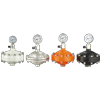
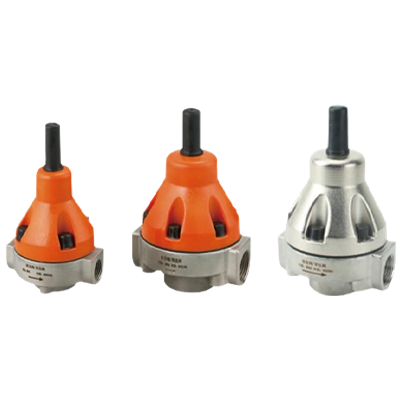
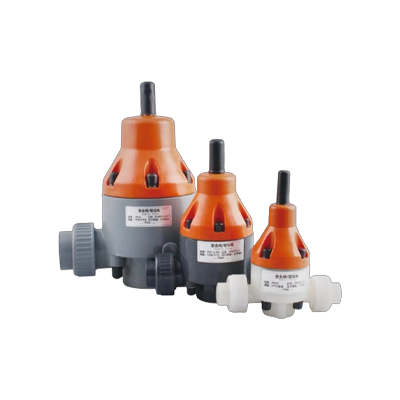
UPVC Safety Valve/Back Pressure ValveSafety valves and back pressure valves are essential protective and regulating components in fluid p...
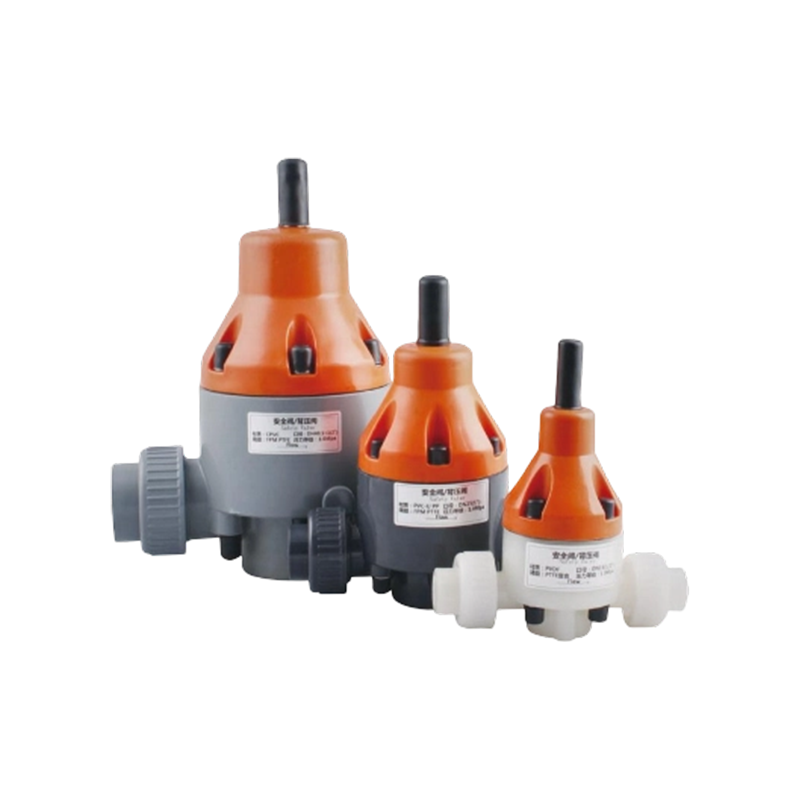
-
Stainless Steel Safety Valve/Back Pressure ValveSafety valves and back pressure valves are essential protective and regulating components in fluid p...
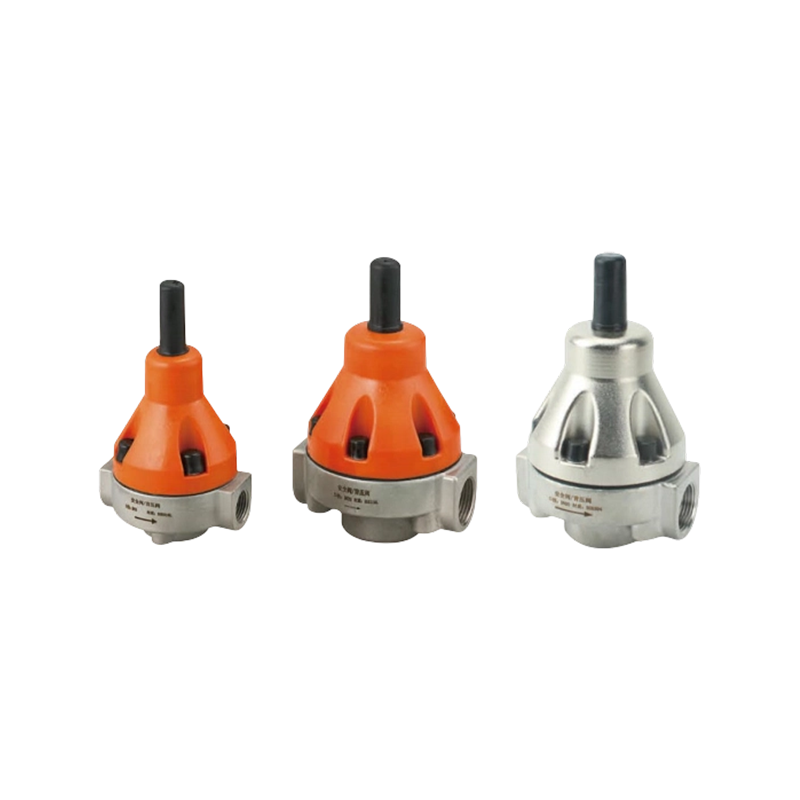

As Custom Back Pressure Valves Manufacturers , Jiangsu Syeelai Environmental Technology Co., Ltd. designs and manufactures spring-loaded back pressure and safety valves for chemical dosing, water treatment, electroplating and filtration circuits. From our production base in Yixing, Jiangsu, China, we supply the range in UPVC and stainless steel versions and configure each valve for the media, line pressure and connection standard of the customer's skid.
Range and Application Fit
Back pressure valves are part of our Valves and Accessories family and are supplied as individual components or as integrated parts of a dosing package. The two main versions cover the corrosive media most commonly found in chemical process lines.
Standard versions within the category
| Valve version | Material fit | Application fit | Typical system integration |
|---|---|---|---|
| UPVC Safety Valve / Back Pressure Valve | UPVC wetted construction, selected for acid and alkali resistance | Chemical dosing, water treatment, electroplating, corrosive transfer lines | Metering pump discharge, filter recirculation, instrument protection |
| Stainless Steel Safety Valve / Back Pressure Valve | Stainless steel body with spring-loaded internal assembly | Higher mechanical duty, elevated temperature conditions, general chemical service | Dosing skids, chemical transfer headers, pump bypass and relief lines |
For unusual media or multi-pump systems, the spring range, port size, end connections and mounting arrangement can be adapted. The custom scope is defined before fabrication, not forced into a standard catalogue dimension.
Engineering and Configuration
Selection starts with the process, not the catalogue. The wetted material, spring range, port size and end connections are defined by the liquid and by the hydraulic behaviour of the pump. This is where the custom element of Chemical Pump integration matters: a metering pump creates pulsating flow, so the valve must hold pressure without hunting or restricting the stroke.
- UPVC version for acid and alkali services where chemical resistance is the priority.
- Stainless steel version for higher mechanical loads, elevated temperature conditions and general chemical duty.
- Spring assemblies are selected around the required set pressure and documented during factory testing.
- Connection type and mounting orientation can be adapted to match existing pipework.
Integration with Dosing and Transfer Systems
In a dosing line, a back pressure valve keeps the pump discharge side pressurised so each stroke is consistent. It prevents syphoning when the discharge line falls below the liquid level and reduces the effect of changing downstream pressure. In a transfer line, it can hold pressure ahead of a filter or injection point and protect instruments from reverse flow.
- Maintains upstream pressure for consistent metering pump output.
- Prevents line drainage and syphoning during shut-down or standby.
- Protects seals, sensors and downstream equipment from pressure spikes.
- Supports stable dosing at low flow rates where gravity effects are significant.
We coordinate the valve with Pulsation Damper and relief valves during skid engineering so the hydraulic loop remains stable from pump start-up to shut-down. For PLC-controlled systems, the valve is treated as a mechanical set-point in the P&ID; commissioning then verifies the set value against the pump operating curve.
Quality Control and Factory Assurance
Our quality system covers the whole chain: raw material sampling and verification when goods enter the factory, fixed-point patrol inspection during production, and full-performance verification of finished valves. Inspection data is retained for traceability, which matters when a valve is part of a larger skid that must be audited.
- Raw material verification before production.
- Patrol inspection at key process points.
- Finished valve function and pressure verification before packing.
- Traceable inspection records for project documentation.
Logistics uses industrial-grade customised protective packaging, and service files are established for each project. After delivery, remote diagnosis, on-site guidance and after-sales maintenance are available through our 24/7 service channel.
Information We Use to Configure Your Solution
To prepare a precise proposal, we need the operating point rather than a generic valve size. The table below lists the project data used for material selection, spring setting, connection sizing and final quotation.
| Project data | How we use it |
|---|---|
| Media name, concentration and pH | Selects UPVC, stainless steel and seat materials compatible with the liquid. |
| Operating temperature and pressure | Determines pressure rating, spring design and safe operating envelope. |
| Required set pressure / back pressure | Defines spring setting and adjustability range. |
| Normal and maximum flow rate | Sizes port diameter and flow coefficient to avoid excessive pressure drop. |
| Connection type and nominal diameter | Matches flanged, threaded, socket or union ends to the skid piping. |
| Upstream pump type and discharge characteristics | Coordinates pulsation, relief and set pressure with metering pump behaviour. |
| Installation orientation and available space | Refines mounting position, spring accessibility and servicing clearance. |
With this data we prepare the valve configuration, its position in the system drawing and a quotation matched to the complete scope of supply.
Installation, Commissioning and Service
Installation must follow the flow direction marked on the body and keep upstream and downstream piping aligned. The valve should be mounted so that the spring housing can be accessed for adjustment; pipework must be supported independently so the valve body is not loaded by line stress.
During factory testing we set the valve to the specified pressure and record the value. On site, the set pressure is verified during commissioning against the actual pump curve.
- Check the set pressure periodically and after any major process change.
- Inspect the seat and wetted parts for media deposits or wear.
- Shorten service intervals when the liquid crystallises or contains suspended solids.
If the set-point changes later, the spring can be readjusted within its range or replaced with a different spring assembly. Spare springs and seat kits can be included in the delivery scope for maintenance planning.
Customer FAQ
Which industries normally use your back pressure valves?
Chemical dosing, water treatment, electroplating, pharmaceutical and petrochemical plants use them wherever a metering pump or chemical transfer line must hold a stable pressure. The wetted material is matched to the specific liquid, so the range fits both mineral acids and alkaline solutions.
What is the difference between a safety valve and a back pressure valve in your range?
In our product family the same spring-loaded body can act as a safety relief valve or back pressure regulator depending on the application. For back pressure duty it holds a minimum upstream pressure; for safety duty it opens at a set maximum to relieve overpressure. We specify the function during selection.
Can the set pressure be changed after installation?
Yes, the spring assembly is adjustable. We set and test the required value at the factory and mark it on the valve; if the process set-point later changes, we can supply the matching spring range and readjust during a service visit.
Do you supply the valve as part of a complete dosing package?
Yes. Back pressure valves are regularly supplied with metering pumps, pulsation dampers, filters and instrumentation on engineered dosing skids. In that case the quotation includes the hydraulic calculation, valve setting, installation and commissioning of the complete package.
What do you need from us before you can quote?
A short process datasheet is enough to start: liquid composition, concentration, temperature, required pressure, flow range, connection size and pump type. With that information we propose the valve version, spring setting, connection type and delivery scope.

Through standardized quality inspection procedures, we strictly control every link from raw materials to finished products, ensuring each product meets high-quality requirements.
+86-13861218983 Telephone
+86-13861218983 whatsapp
[email protected] Email
No. 89, Gehu Road, Gaocheng Town, Yixing City, Jiangsu Province, China Factory
Get in TouchCopyright © Jiangsu Syeelai Environmental Technology Co., Ltd. All rights reserved.Custom Chemical Dosing Backpressure Regulator Suppliers
