 English
 中文简体
 русский
 Español
 عربى

Who We Are

News & Updates
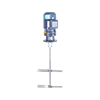
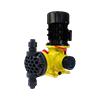
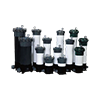
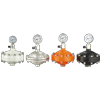
-
01
-
02


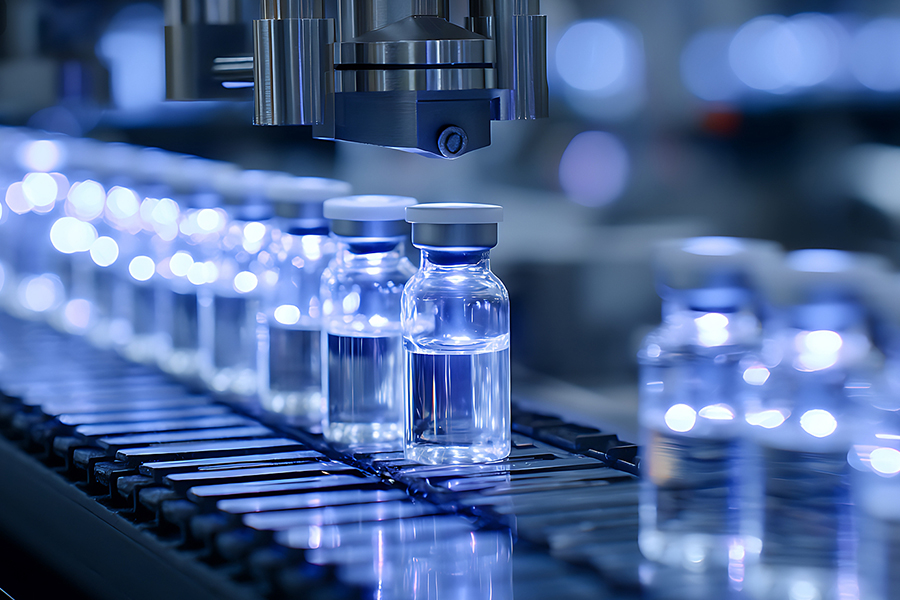


Custom Chemical Processing Equipment Manufacturers
SYEELAI specializes in corrosion-resistant fluid transfer solutions, professionally manufacturing a series of acid and alkali-resistant pumps, including liquid mixers, metering pumps, magnetic drive pumps, and vertical pumps. The company also undertakes custom fabrication of non-standard chemical filtration systems and provides professional design, installation, and commissioning services for chemical dosing equipment. Committed to delivering turnkey dosing and fluid handling solutions from design to implementation, we ensure efficiency, precision, safety, and reliability, supporting the stable operation of industrial production.
-
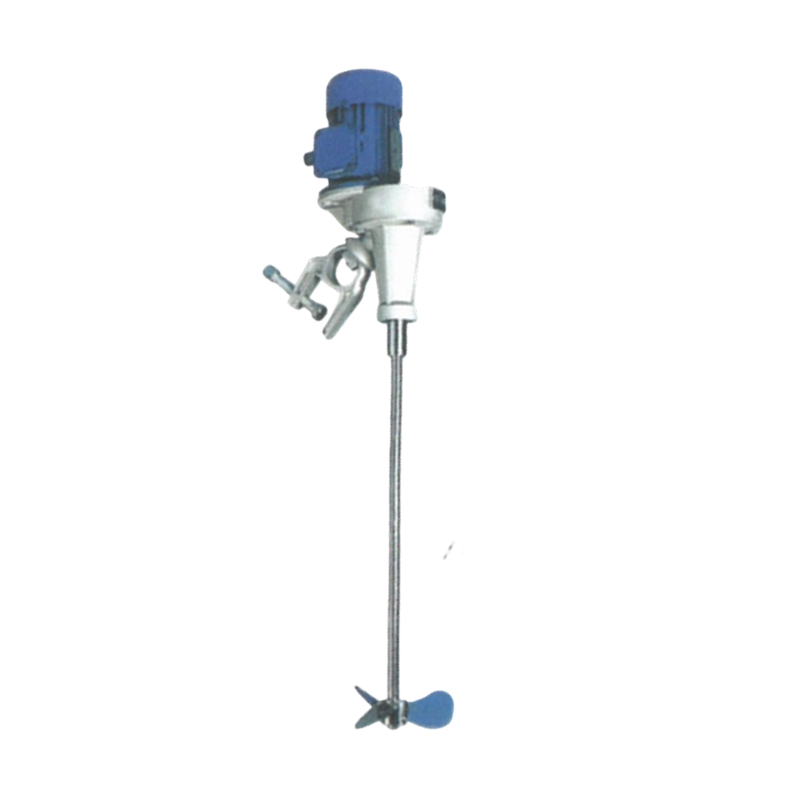
Type C Mobile MixerProduct Overview:The Type C Mobile Mixer is a versatile, portable mixing solution designed for on-si...
-
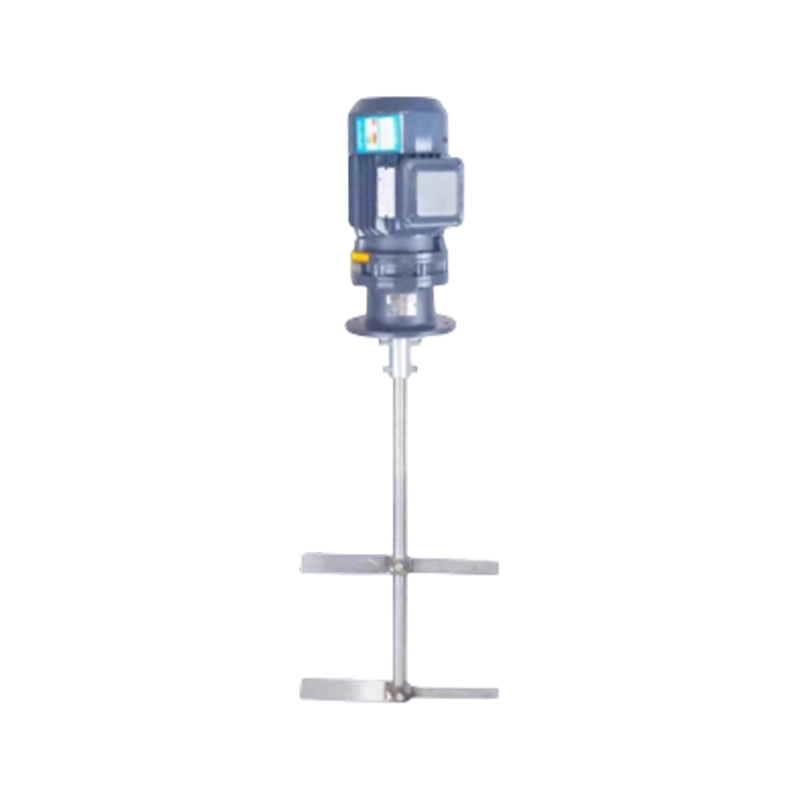
Type BLD Cycloidal Pinwheel Transmission MixerProduct Overview:Utilizing the planetary transmission principle, the Type BLD Mixer features a cyclo...
-
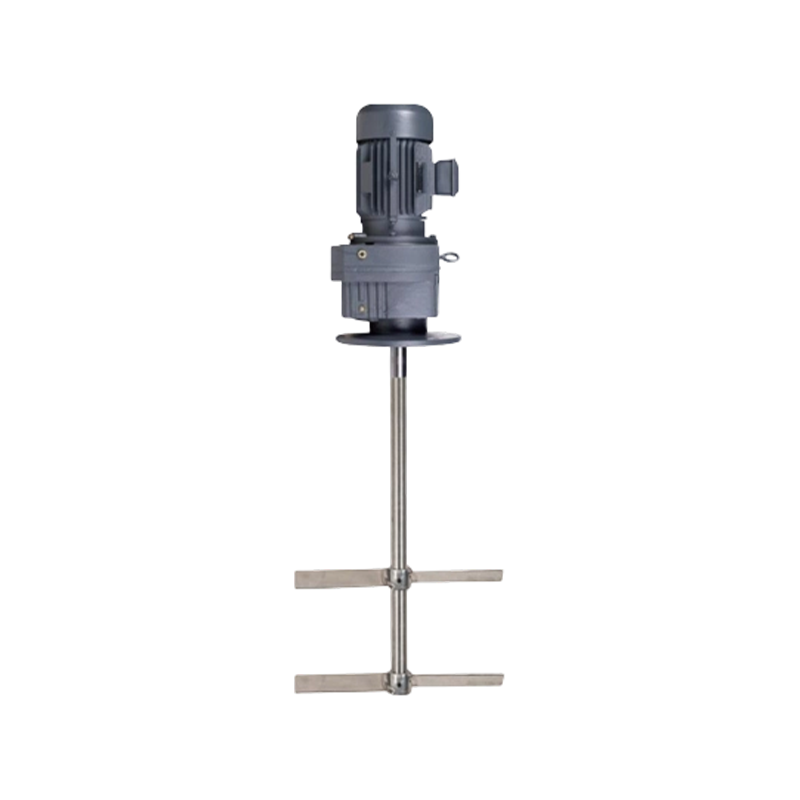
Type RF Coaxial Gear Transmission MixerProduct Overview:The Type RF Coaxial Mixer is a high-performance industrial agitator featuring an in...
-
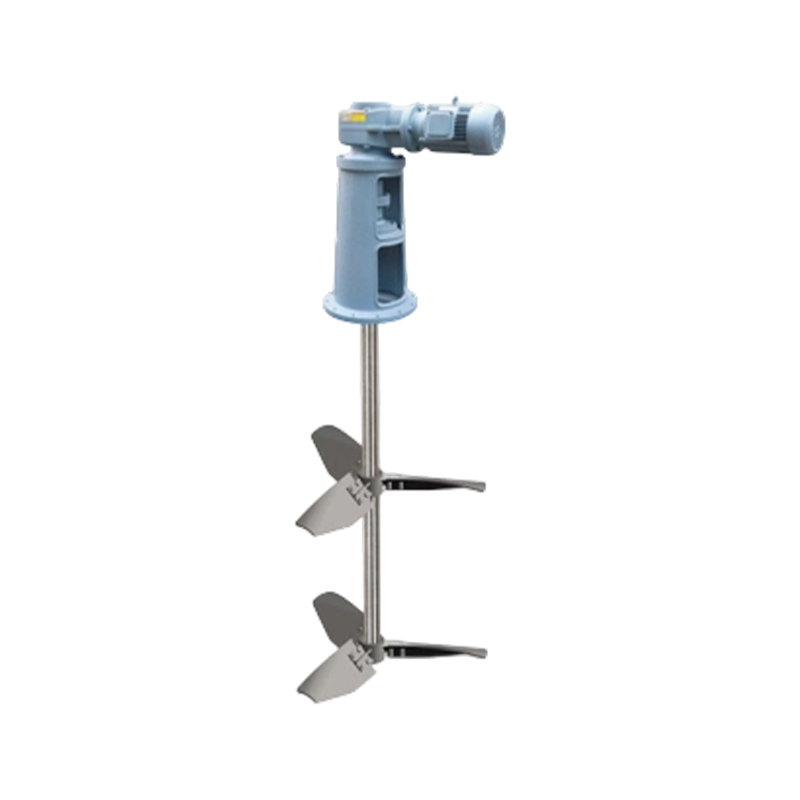
Type KF Right-angle Shaft Gear Drive MixerProduct Overview:Designed for installations with vertical space constraints, the Type KF Mixer utili...
-
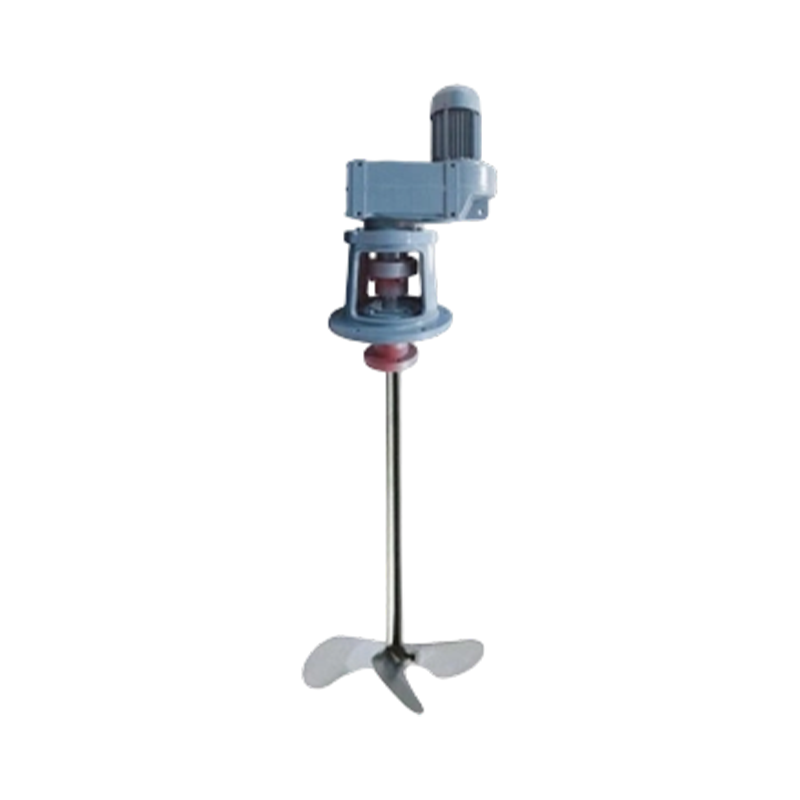
Type FF Parallel Shaft Gear Drive MixerProduct Overview:The Type FF Mixer features a parallel shaft helical gear system, characterized by i...
-
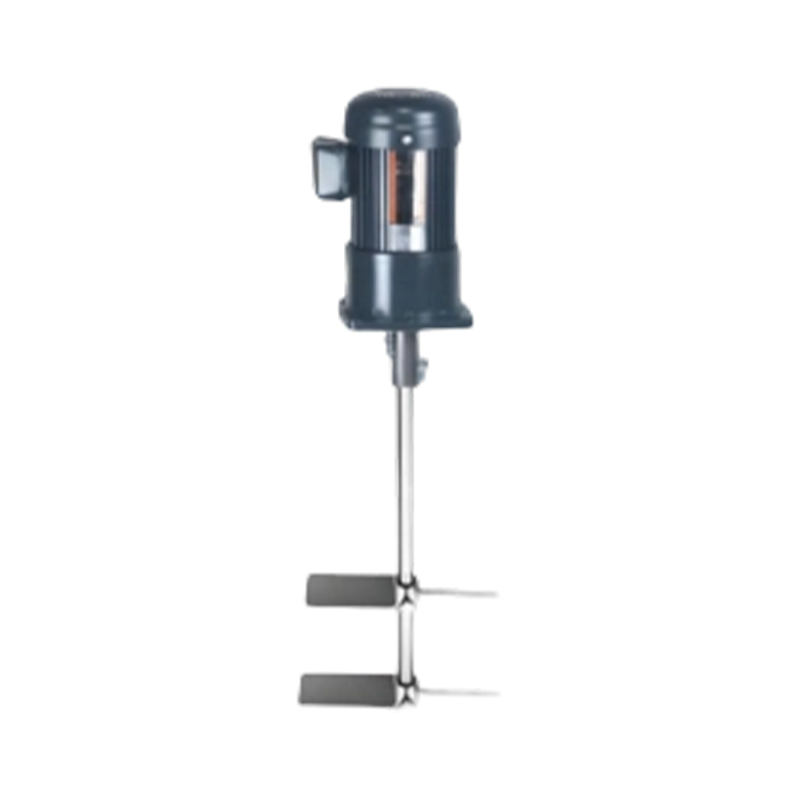
Type CV Gear Drive MixerProduct Overview:The Type CV Mixer is a premium-grade transmission unit designed for variable-load m...
-
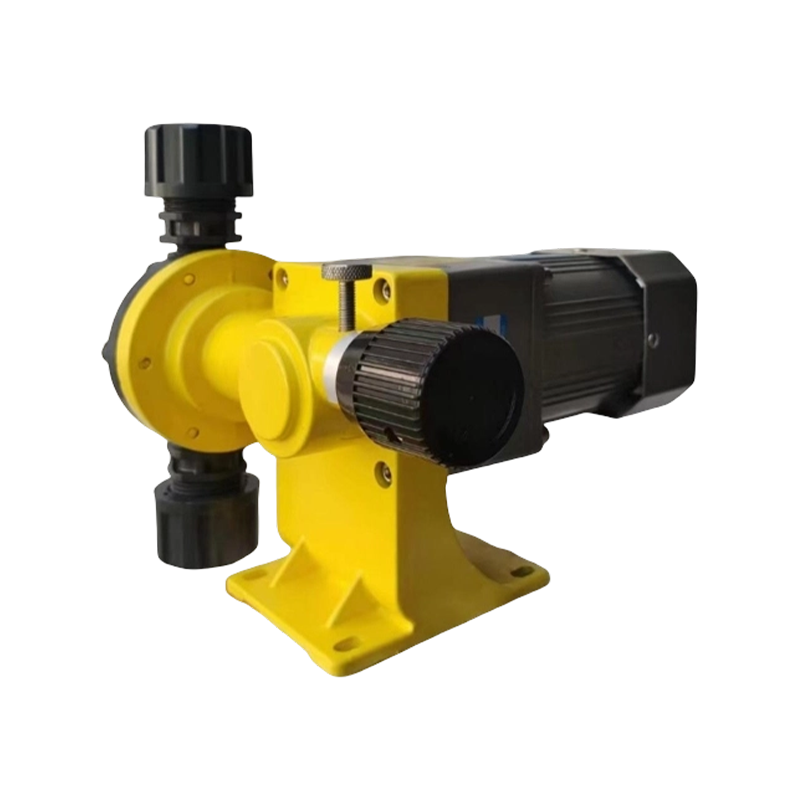
JCM Series Corrosion-Resistant Mechanical Diaphragm Metering PumpProduct OverviewThe JCM Series Mechanical Diaphragm Metering Pump is a high-performance solution des...
-
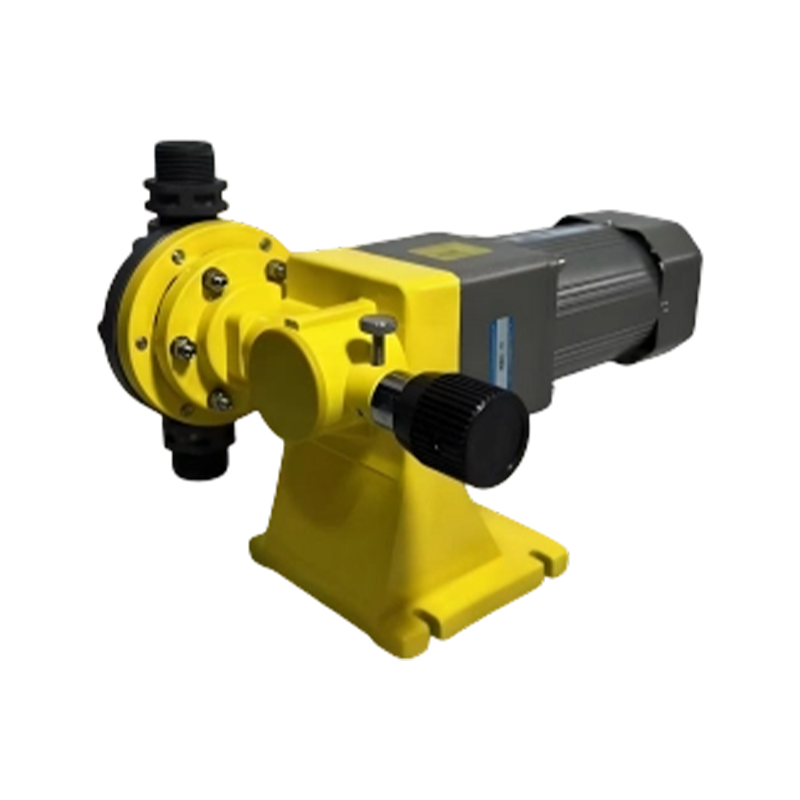
JWM Series Acid and Alkali Resistant Chemical Diaphragm Metering PumpProduct OverviewThe JWM Series Chemical Diaphragm Metering Pump is specialized for the safe and accu...
-
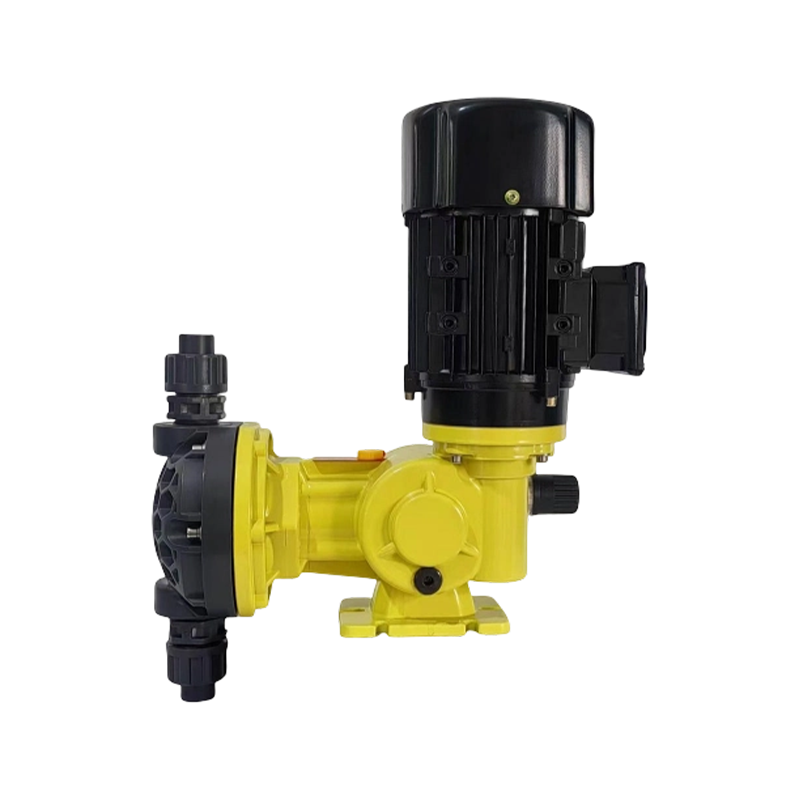
GS Series Adjustable Flow Chemical Diaphragm Metering PumpProduct OverviewThe GS Series Adjustable Flow Metering Pump is a high-performance mechanical diaphra...
-
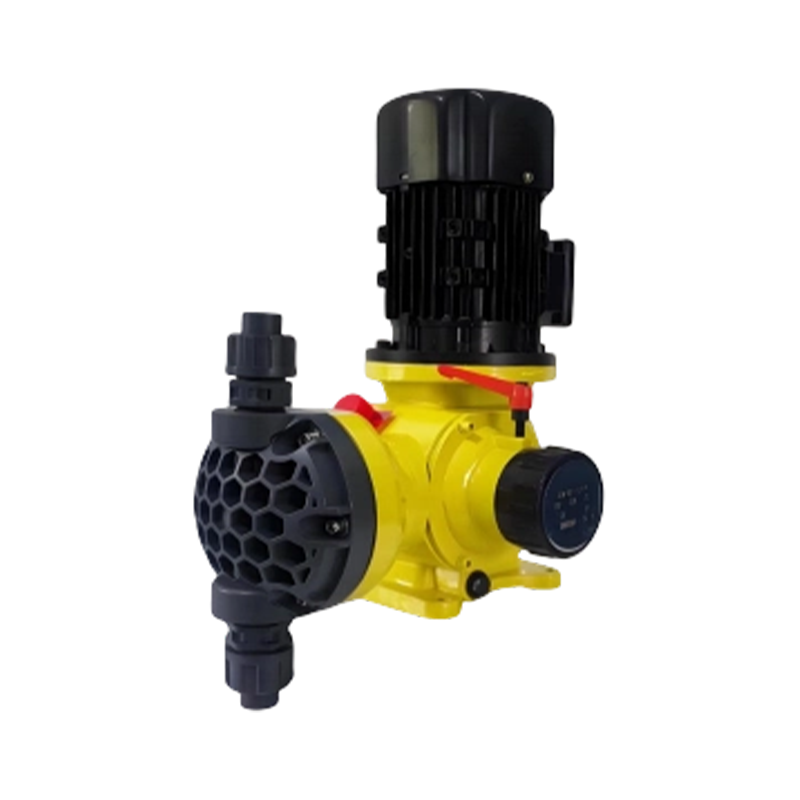
GM Series High-Precision Mechanical Diaphragm Metering PumpProduct OverviewThe GM Series Mechanical Diaphragm Metering Pump is engineered for precision and dur...
-
GB Series Industrial Mechanical Diaphragm Metering PumpProduct OverviewThe GB Series Mechanical Diaphragm Metering Pump is engineered for heavy-duty indust...
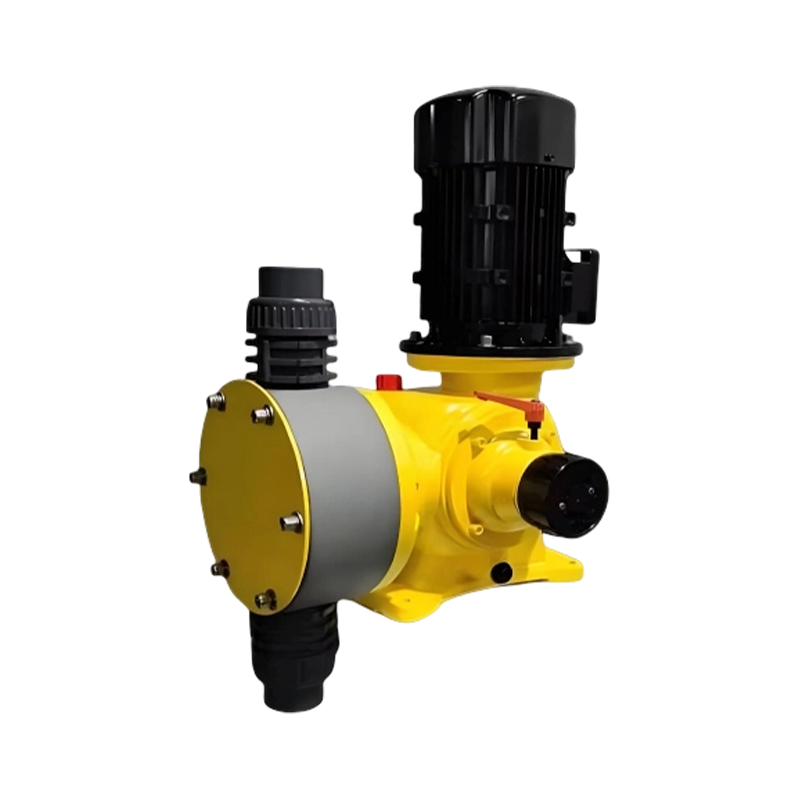
-
GD Series High-Precision Mechanical Diaphragm Dosing PumpProduct OverviewThe GD Series stands out as a versatile and efficient solution for precision fluid m...
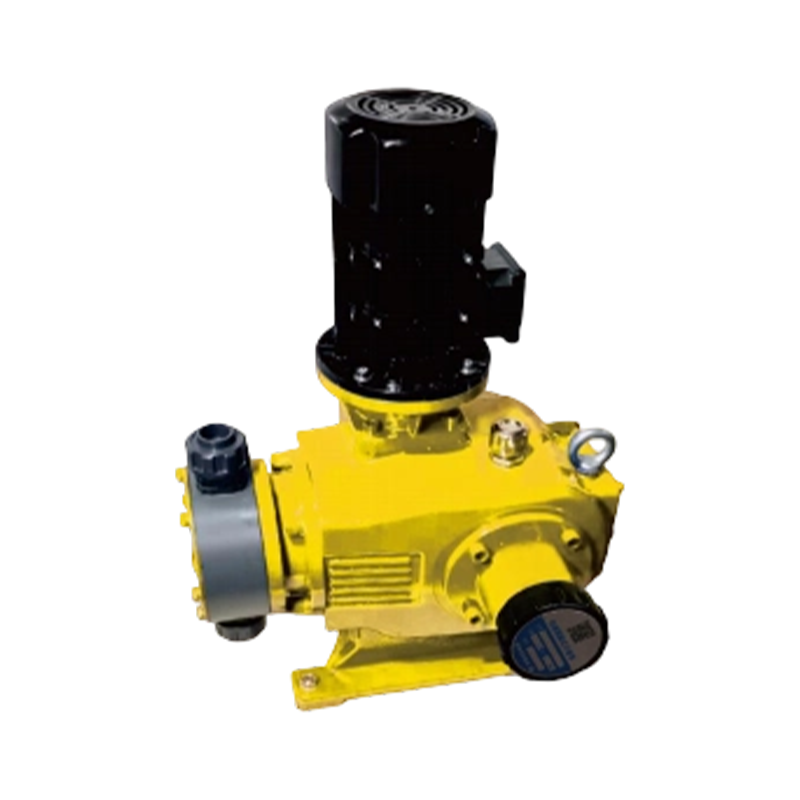

As a Custom Chemical Processing Equipment supplier, SYEELAI designs and builds corrosion-resistant fluid mixing, transfer, filtration, and dosing equipment for industrial processes. Our range covers liquid agitators, metering pumps, magnetic drive pumps, chemical pumps, UPVC filters, and valves and accessories for dosing skids. Based in Yixing, Jiangsu Province, China, we combine in-house R&D, production, and commissioning support so one supplier can take a system from process concept to stable operation.
Product Range: Mixers, Chemical Pumps, Filters, and Dosing Components
The table below summarizes the product families we manufacture and their typical place in a chemical processing line. Every family can be configured around your working point rather than forcing your process to fit a standard machine.
| Product family | Main types | Typical process role | Configuration focus |
|---|---|---|---|
| Mixer | Liquid Mixer: Type C mobile, Type BLD cycloidal, Type RF coaxial gear, Type KF right-angle, Type FF parallel shaft, Type CV gear drive | Homogenization, chemical dosing, solid-liquid blending, reaction and pH adjustment | Tank-mounted or mobile; PP, FRP or 316L wetted parts; standard or explosion-proof motor |
| Chemical Pump | Metering pumps (mechanical diaphragm, plunger, hydraulic diaphragm), magnetic drive, self-priming, vertical idling-resistant, hose pumps | Precise reagent injection, acid/alkali transfer, sump pumping, abrasive or shear-sensitive slurry handling | Flow rate, discharge pressure, chemical compatibility, seal strategy, control interface |
| Filter | UPVC filter | Removing solid particles and suspended impurities from corrosive liquids before reuse or discharge | Filtration area, particle retention, flow capacity, piping connections |
| Valves and Accessories | Valves, including back pressure valves; accessories, including pulsation dampers | Stabilizing metering pump flow, protecting system components, controlling pressure in dosing skids | Set pressure, connection size, wetted material, pump flow characteristics |
| Engineering Solutions | Chemical filtration and transfer; chemical mixing and dosing | Packaged systems that combine pumps, mixers, filters, valves, instrumentation and control | Process design, equipment selection, installation, commissioning, documentation |
Our Mixer product line is built around gear-driven and cycloidal drives for continuous industrial duty. The chemical pump range is where most corrosive-transfer projects begin, because the choice of diaphragm, plunger, magnetic drive, or vertical design changes the operating envelope, maintenance interval, and safety level of the whole line.
Application Fit by Process Sector
We support process engineers and plant teams across chemical, environmental, water treatment, electroplating, petrochemical, pharmaceutical, and new-energy applications. Each sector places different stress on the equipment:
- Electroplating and surface finishing: tank agitation, corrosion-resistant solution transfer, and filtration to keep plating baths free of suspended solids.
- Wastewater treatment and environmental protection: pH correction, flocculant and coagulant dosing, chemical transfer, and filtration of aggressive process streams.
- Chemical and petrochemical processing: precise reactant metering, mixing of solvents or acids, and safe handling of high or low pH media.
- Pharmaceutical production: repeatable dosing and contamination-conscious fluid handling for process intermediates and utility systems.
- New energy materials: slurry mixing, dispersion, and transfer of process liquids where consistency and corrosion resistance are essential.
Materials, Mechanical Design, and Critical Specifications
Our equipment is selected around the fluid, not the other way around. Mixers can be built with PP, FRP, or 316L stainless steel wetted parts, while the filter range uses UPVC construction. Pump wetted materials are chosen for acid and alkali service, with the liquid end design matched to the chemical, temperature, and pressure conditions. For highly corrosive media, plastic or lined components reduce leakage risk; where strength, temperature resistance, or mechanical load dominates, stainless steel is used.
To prepare a technical proposal, we work from these process parameters:
- Media composition and concentration, including solids content
- Temperature, specific gravity, and viscosity
- Required flow rate and discharge pressure
- Tank dimensions, mounting height, and available footprint
- Motor power, speed range, and electrical supply
- Hazardous area classification and motor protection requirements
- Control signal interface and automation architecture
- Existing piping, filtration, or dosing system details
Metering Accuracy, Control Integration, and Pump Selection
Metering and transfer pumps are chosen on working point and safety requirements. For dosing applications that need steady volumetric delivery, we offer mechanical diaphragm, plunger, and hydraulic diaphragm metering pumps. Mechanical diaphragm units are straightforward to maintain; plunger designs are suited to higher discharge pressures; hydraulic diaphragm pumps provide leak-free operation for aggressive chemicals. Magnetic drive pumps remove the shaft seal entirely for applications where leakage cannot be tolerated. Self-priming pumps simplify line filling, vertical idling-resistant pumps handle tank and sump duty, and hose pumps move abrasive or shear-sensitive slurries without the medium contacting the pump head.
Control integration can be configured around your line: manual stroke adjustment for simple fixed-rate dosing, or external process signals where the pump must follow flow, pH, ORP, or other process measurements. We also use pulsation dampers and back pressure valves to keep the hydraulic conditions stable on the discharge side.
Filter, Valve, and Dosing Skid Integration
UPVC filters protect downstream equipment and final discharge by removing solid particles and suspended impurities from corrosive liquids. In a dosing system, back pressure valves maintain minimum discharge pressure so metering pumps operate at their calibrated working point, while pulsation dampers smooth the flow pulses inherent to reciprocating pumps. This combination is especially important when multiple pumps feed a common header or when injection rates must remain stable at low flow.
Installation, Commissioning, and Acceptance
We do not stop at the pump or mixer. SYEELAI undertakes the design, installation, and commissioning of non-standard chemical liquid filtration systems and customized dosing devices. Before shipment, finished equipment receives full-performance verification under our standardized quality system. During commissioning on your site, we confirm flow, pressure, leak tightness, and control response before handover. Our service team provides remote diagnosis, on-site guidance, and after-sales maintenance, and we keep service files to track operating status after startup. For packaged plants, our engineering solutions cover the full integration scope from process design through commissioning.
Quality Assurance, Documentation, and After-Sales Support
Quality control runs from receiving to delivery. Raw materials are sampled and verified, production is checked at fixed patrol points, and finished products receive performance verification. Complete inspection data is kept for traceability. We also provide industrial-grade protective packaging and synchronized logistics for multi-scenario transport and loading. Supporting documentation includes product brochures, selection manuals, and technical documents that help your team operate and maintain the equipment.
Information We Use to Configure Your Solution
Every proposal starts with the real operating conditions. The more accurately you can describe the process, the closer the first configuration will be to final acceptance.
- Process description and desired mixing, dosing, or filtration outcome
- Fluid composition, concentration, temperature, density, viscosity, and solids content
- Operating flow rate, pressure range, and turndown expectations
- Tank geometry, mounting orientation, and available installation space
- Electrical supply, control signals, and area classification
- Existing infrastructure: piping, pumps, filters, instrumentation, or PLC
- Delivery destination and any packaging or logistics constraints
Frequently Asked Questions
Can you supply a complete mixing and dosing system rather than separate components?
Yes. Our engineering solutions combine mixers, metering pumps, back pressure valves, pulsation dampers, filters, instrumentation, and controls into a packaged chemical mixing and dosing system. We handle the design, installation, and commissioning as well as the equipment supply.
Which pump type is right for a corrosive chemical dosing application?
It depends on the chemical, required flow, discharge pressure, and leakage risk. Mechanical diaphragm pumps are common for general chemical dosing; plunger pumps suit higher pressures; hydraulic diaphragm pumps offer a leak-free liquid end for aggressive media; magnetic drive pumps are used where shaft-seal leakage cannot be accepted. We prepare the proposal on the basis of your working point and media data.
What materials are available for wetted parts?
Mixers can be built with PP, FRP, or 316L stainless steel wetted parts, while our filter range uses UPVC construction. Pump wetted materials are selected case by case for acid and alkali service. For any quote, we confirm material compatibility with the fluid composition and temperature.
Do you support custom mounting and non-standard fabrication?
Yes. Mixers can be supplied with custom mounting styles to fit existing tanks, and we undertake non-standard chemical filtration systems and customized dosing devices. Our engineers use your tank dimensions, mounting height, and site layout to define the mechanical configuration.
How is quality controlled before shipment?
Our full-chain standardized quality system covers raw material sampling and verification, fixed-point patrol inspection during production, and full-performance verification of finished products. Complete inspection data is retained for traceability.
What information do you need for a proposal?
The most useful starting point is the fluid composition, temperature, required flow, discharge pressure, tank size, and control interface. With those details, we can configure the right pump or mixer and, if needed, integrate it with valves, dampers, filters, and a control philosophy.

Through standardized quality inspection procedures, we strictly control every link from raw materials to finished products, ensuring each product meets high-quality requirements.
+86-13861218983 Telephone
+86-13861218983 whatsapp
[email protected] Email
No. 89, Gehu Road, Gaocheng Town, Yixing City, Jiangsu Province, China Factory
Get in TouchCopyright © Jiangsu Syeelai Environmental Technology Co., Ltd. All rights reserved.Custom Chemical Mixing and Filtration Equipment Suppliers
