 English
 中文简体
 русский
 Español
 عربى

Who We Are

News & Updates
-
01
-
02




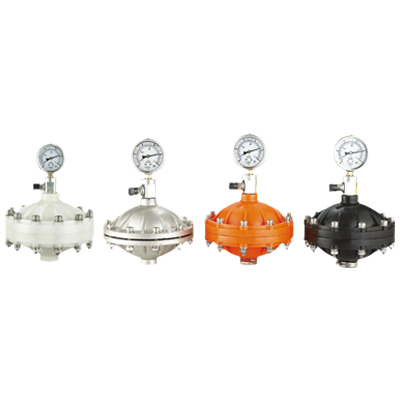
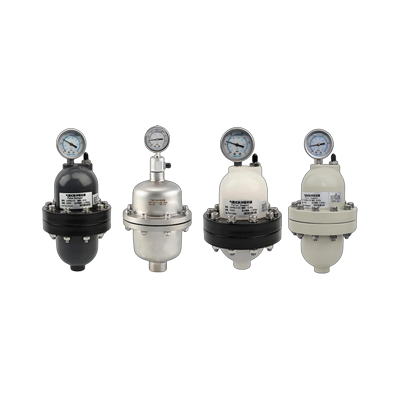
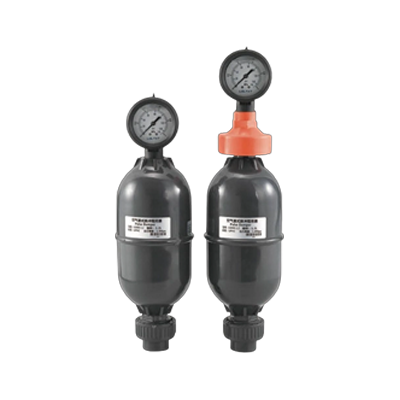
Custom Metering Pump Pulsation Dampener Manufacturers
-
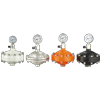
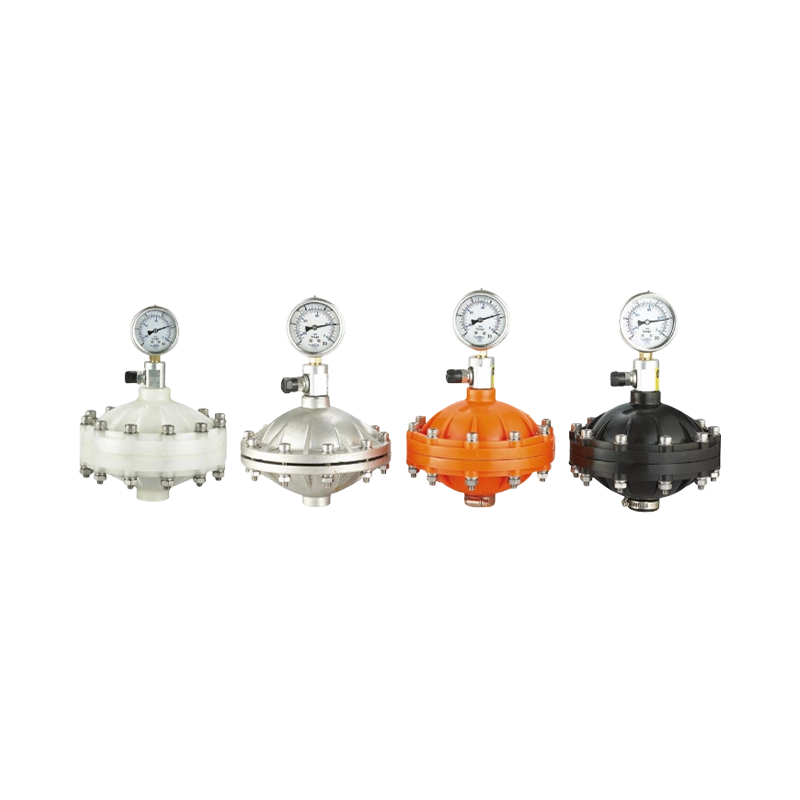
Diaphragm Pulse DamperA pulse damper is a common component used to eliminate pipeline pulsation and an essential accessory...
-
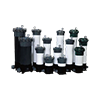
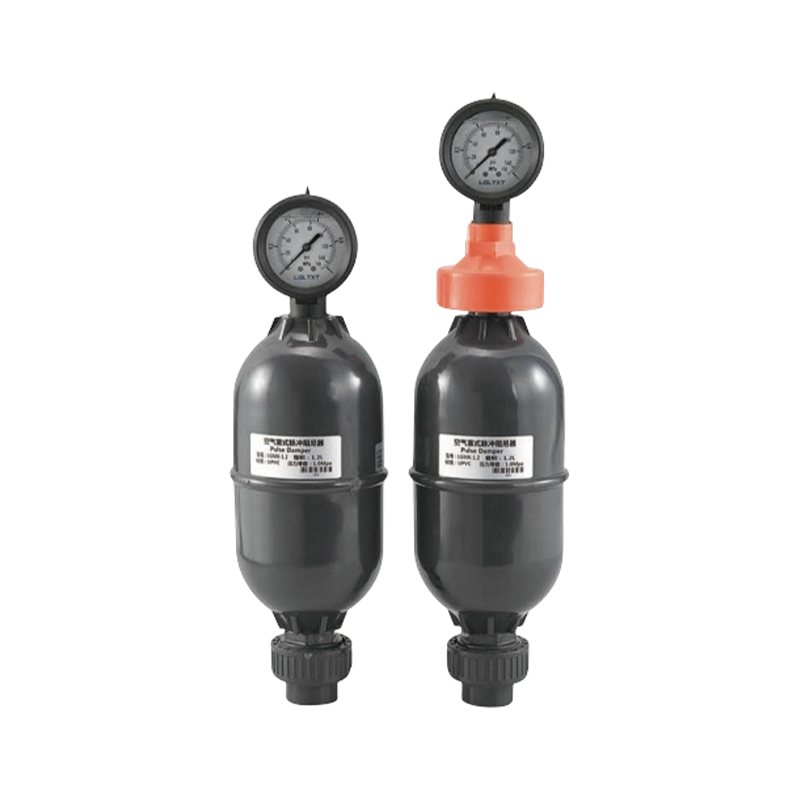
UPVC Air Chamber Pulse DamperThe UPVC Air Chamber Pulse Damper is a high-performance pressure buffering device installed at the d...
-
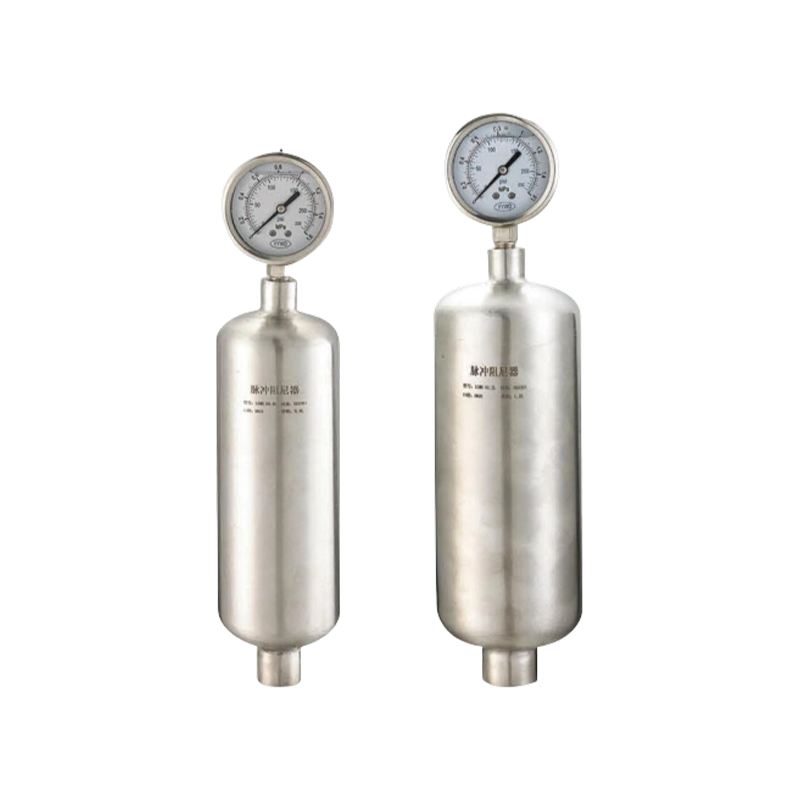
Stainless Steel Air Chamber Pulse DamperThe air chamber pulse damper serves as a vital buffer for reciprocating pumps (such as diaphragm, pi...
-
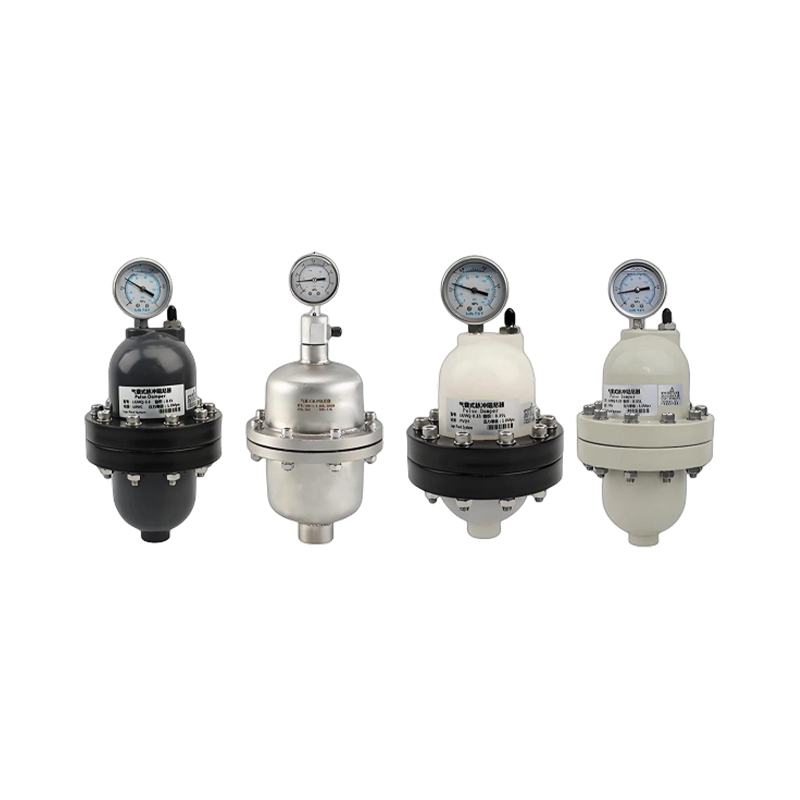
Diaphragm-Type Pulsation DamperShell Materials: PVC, PP, PVDF, SUS304, SUS316L, etc.Diaphragm Materials: FPM (fluoroelastomer), EPD...
-
High-Pressure Stainless Steel Bladder DamperShell Materials: SUS316L.Diaphragm Materials: HNBR (Hydrogenated Nitrile Butadiene Rubber), EPDM (Et...
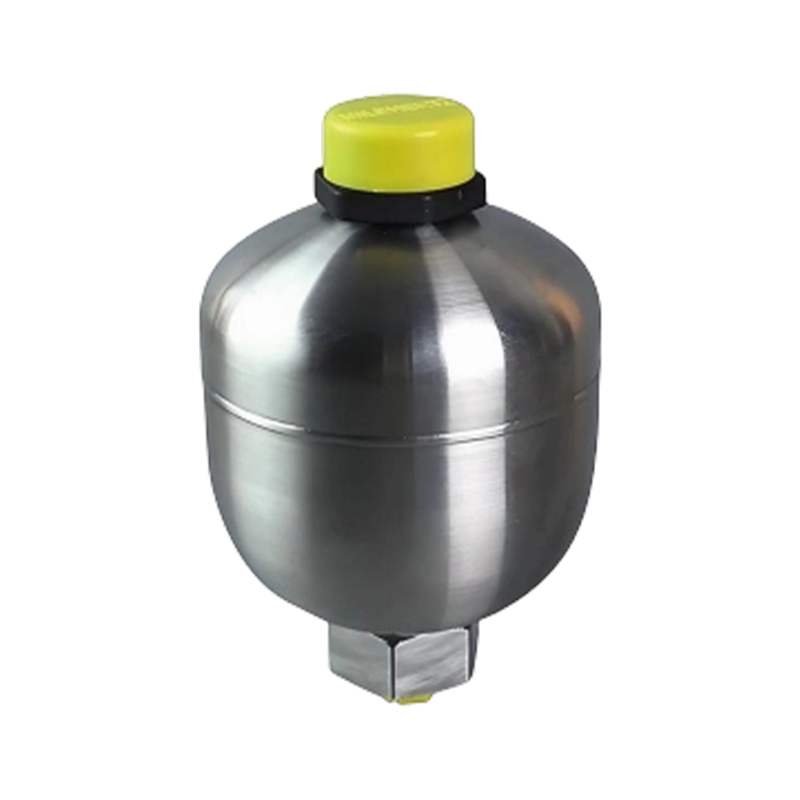

Jiangsu Syeelai Environmental Technology Co., Ltd. designs and builds pulsation dampeners for Metering Pump systems, chemical dosing skids and reciprocating pump installations. As a China supplier of corrosion-resistant fluid handling equipment, we combine product development, manufacturing, sales and service in one organization. The range we supply as Custom Metering Pump Pulsation Dampener is built to remove pulsation from the discharge line while keeping all wetted parts compatible with the process fluid.
Why Pulsation Dampeners Belong in a Metering Pump Skid
Metering pumps produce a pulsating discharge because the plunger or diaphragm moves in discrete strokes. That cyclic flow creates pressure spikes, vibration and unsteady readings in flowmeters and pressure transmitters. A correctly sized pulse damper stores a compressible gas volume and releases it between strokes, giving the line a smoother pressure profile.
We supply dampeners as part of the Accessories range for dosing systems. In most installations the damper is fitted on the discharge side of the pump, close to the pump head, before back-pressure valves and instrumentation. For suction-lift arrangements it can also be used on the suction line to stabilise inlet pressure.
Our Pulsation Damper Range
Our catalog covers five damper types. We configure the body, connections and sealing system around the pumped medium and line pressure; every design can be matched to your existing piping and skid layout.
| Damper Type | Construction | Typical Duty |
|---|---|---|
| Diaphragm Pulse Damper | Elastomer diaphragm separates process liquid from a gas cushion in a compact discharge-side component. | General metering pump lines and dosing skids where available space is limited. |
| UPVC Air Chamber Pulse Damper | UPVC housing with a compressed air cushion and direct flanged or threaded connection to the dosing line. | Pressure buffering on chemical dosing lines handling acids and alkalis at moderate working pressures. |
| Stainless Steel Air Chamber Pulse Damper | Metallic shell with an air cushion; well suited to reciprocating pump discharge. | Higher system pressures and media that require stainless steel wetted parts. |
| Diaphragm-Type Pulsation Damper | Shell options include PVC, PP, PVDF, SUS304 and SUS316L; diaphragm options include FPM, EPDM and compatible elastomers. | Broad chemical service where fluid, temperature and pressure drive elastomer selection. |
| High-Pressure Stainless Steel Bladder Damper | SUS316L shell with HNBR or EPDM bladder. | High-pressure chemical injection and hydraulic metering pump pulsation smoothing. |
Application Fit for Chemical, Water and Pharma Processes
Pulsation dampeners are not a one-size product. The range supports chemical, environmental, water treatment, electroplating, new-energy and pharmaceutical lines where metering pumps feed coagulant, acid, alkali, polymer or additive into a process.
- Plunger and hydraulic diaphragm metering pumps create strong per-stroke pressure spikes. We recommend a high-pressure bladder damper or stainless steel air chamber damper mounted near the pump head.
- Mechanical diaphragm metering pumps benefit from a compact diaphragm pulse damper on the discharge side, especially on tight dosing skids.
- Corrosive chemical dosing with acids, alkalis or oxidants favours PVC, PP, PVDF or 316L wetted parts with a chemically compatible elastomer.
- Filtration and transfer lines using a reciprocating pump can use an air chamber damper to keep filter pressure stable and extend instrument service life.
Pulsation dampeners sit alongside Valves and Accessories such as back-pressure valves and relief components on the dosing skid. This combination controls both the pressure level and the pressure profile of the line.
Materials, Sizing and Critical Specifications
Selection starts with the chemical and temperature because they fix the wetted shell and elastomer. The next inputs are pressure and displacement per stroke because they fix the required gas volume. A damper sized only by pipe size is rarely correct for a reciprocating pump.
- Material compatibility: PVC, PP and PVDF handle many aggressive chemicals; SUS304 and SUS316L are used when metallic wetted parts are required. EPDM, FPM and HNBR cover a wide range of fluid and temperature conditions.
- Pressure rating: The damper must withstand peak line pressure, not just the normal running pressure. The pre-charge pressure is set below the working pressure so the gas cushion remains effective.
- Pump displacement: The larger the volume delivered per stroke and the lower the acceptable residual pulsation, the larger the required gas volume.
- Connection and layout: Threaded or flanged connections, available straight pipe length and mounting orientation all influence the final design.
Automation Integration, Installation and Commissioning
Because a damper adds a compressible volume to a dosing line, it also affects the response of pressure-based control loops. We size the gas volume to damp pulsation without creating an excessive buffer that slows process response. The damper should be mounted close to the pump discharge, ideally upstream of flowmeters, pressure transmitters and back-pressure valves.
During installation, the pre-charge is checked with the line depressurized and set for the actual working point. Connection direction, support brackets and access for future diaphragm replacement are included in our installation guidance. Our service team supports remote diagnosis and on-site commissioning for skid builders and plant teams.
Quality Assurance and Acceptance
We keep the same quality discipline for a single replacement damper as for a complete dosing skid. Incoming materials are sampled and verified, production runs through fixed-point patrol inspection, and finished dampers receive full-performance verification. Inspection data is retained for traceability.
For project procurement, the proposal identifies the selected damper type, shell and elastomer materials, connection standard, pre-charge recommendation and installation notes. This lets your project team integrate the part into the P&ID and mechanical layout without re-engineering the line.
Information We Use to Configure Your Solution
To prepare a configuration and quotation, we use the following data from the pump datasheet and piping layout:
- Fluid name, concentration, temperature and any abrasive or solids content
- Pump type, displacement per stroke, rated flow and stroke frequency
- Normal discharge pressure, maximum peak pressure and suction conditions
- Connection type, size and flange rating on the discharge line
- Available installation space, orientation and distance from the pump
- Target residual pulsation or the sensitivity of the downstream flowmeter and instrumentation
- Existing skid components including back-pressure valve, relief valve and control system interface
Service, Spare Parts and Documentation
After the damper is in service, the diaphragm or bladder is the main wear-related element. We support spare-part selection and maintenance intervals based on your operating conditions. Service files are established for delivered equipment so that pre-charge, replacement and inspection history are available to plant and procurement teams.
Delivery uses industrial-grade protective packaging and synchronized logistics for export projects. We also supply dampeners as part of a larger metering pump and dosing system package, giving your project one engineering interface for the complete pump skid.
Frequently Asked Questions
What size pulsation damper do I need for a plunger metering pump?
Plunger pumps create a high-amplitude pulsation for each stroke. We size the damper from the pump's displacement per stroke, the maximum discharge pressure and the acceptable residual pulsation. For aggressive chemicals, a diaphragm-type or high-pressure bladder damper is usually the starting point.
Can the damper be matched to an existing flange or thread standard?
Yes. We need the nominal diameter, connection type, flange rating or thread standard and the installation orientation. The connection is then matched to the discharge line so the damper can be installed without adapters.
Which elastomer should be selected for our dosing chemical?
The elastomer is selected from FPM, EPDM, HNBR and the diaphragm material family based on fluid composition and temperature. FPM covers many acids and oxidants, EPDM suits alkalis and polar fluids, and HNBR is common for high-pressure hydrocarbon service. Our proposal includes the selected material grades.
Do you test the damper before shipment?
Finished dampers receive full-performance verification under our quality system. This covers the functional and pressure checks appropriate for the damper type, and inspection records are retained for traceability.
What documentation is provided with the damper?
We provide the product datasheet, relevant material records and installation guidance covering pre-charge, orientation and maintenance. For packaged dosing systems, the damper documentation is included in the overall system file.

Through standardized quality inspection procedures, we strictly control every link from raw materials to finished products, ensuring each product meets high-quality requirements.
+86-13861218983 Telephone
+86-13861218983 whatsapp
[email protected] Email
No. 89, Gehu Road, Gaocheng Town, Yixing City, Jiangsu Province, China Factory
Get in TouchCopyright © Jiangsu Syeelai Environmental Technology Co., Ltd. All rights reserved.Custom Pulsation Dampers for Pumps Suppliers
