 English
 中文简体
 русский
 Español
 عربى

Who We Are

News & Updates
-
01
-
02


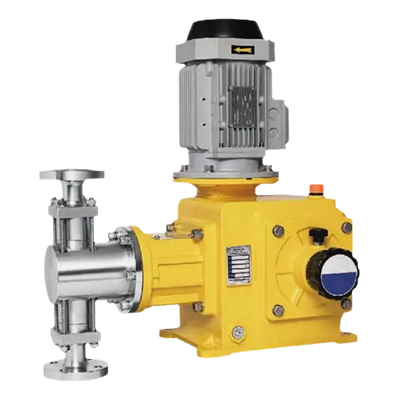
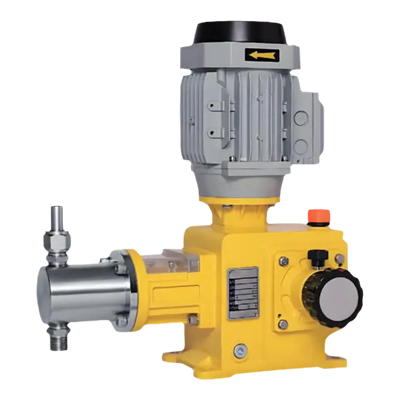
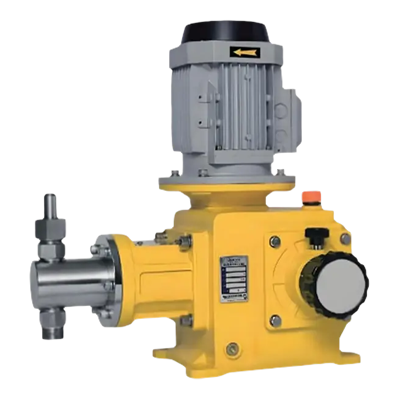
Custom Plunger Metering Pump Manufacturers
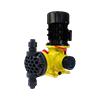
Designed for high-pressure precision, plunger pumps deliver exceptional volumetric efficiency for non-hazardous liquids. These pumps are the preferred choice when system pressure exceeds the limits of standard diaphragm pumps, offering rugged durability for heavy-duty industrial cycles.
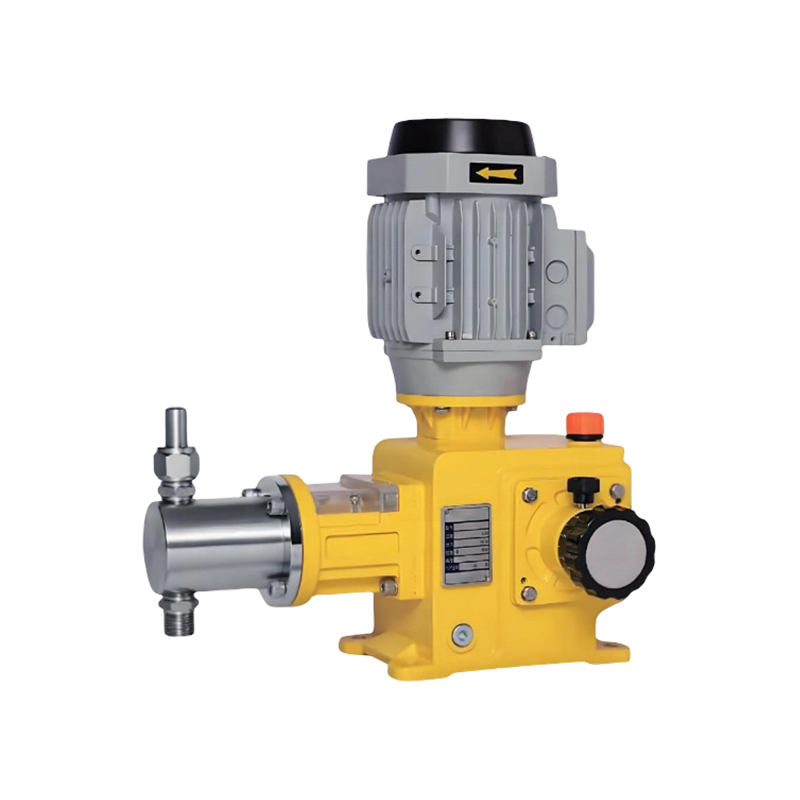
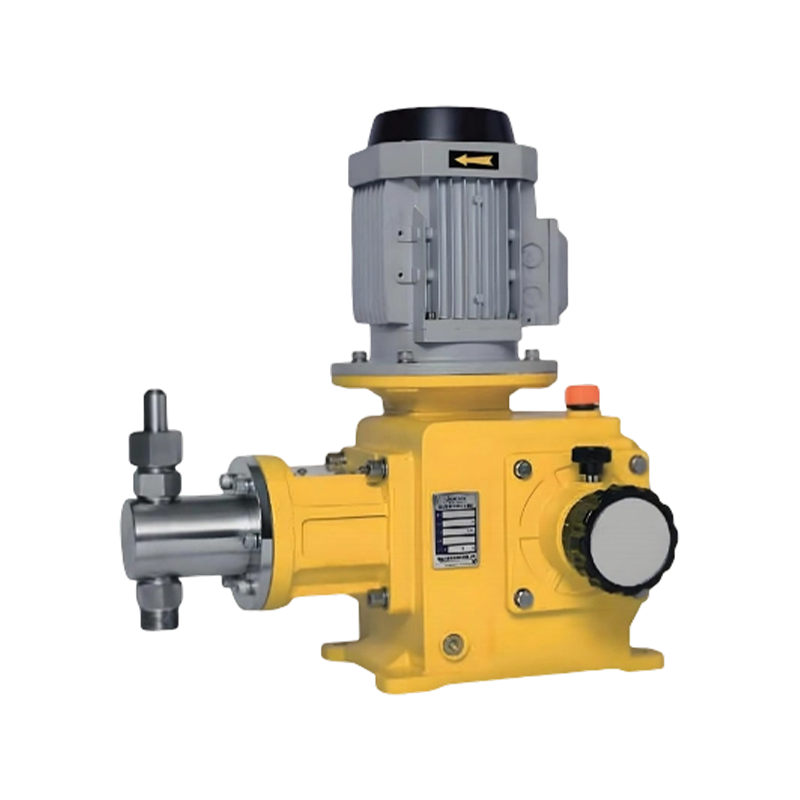
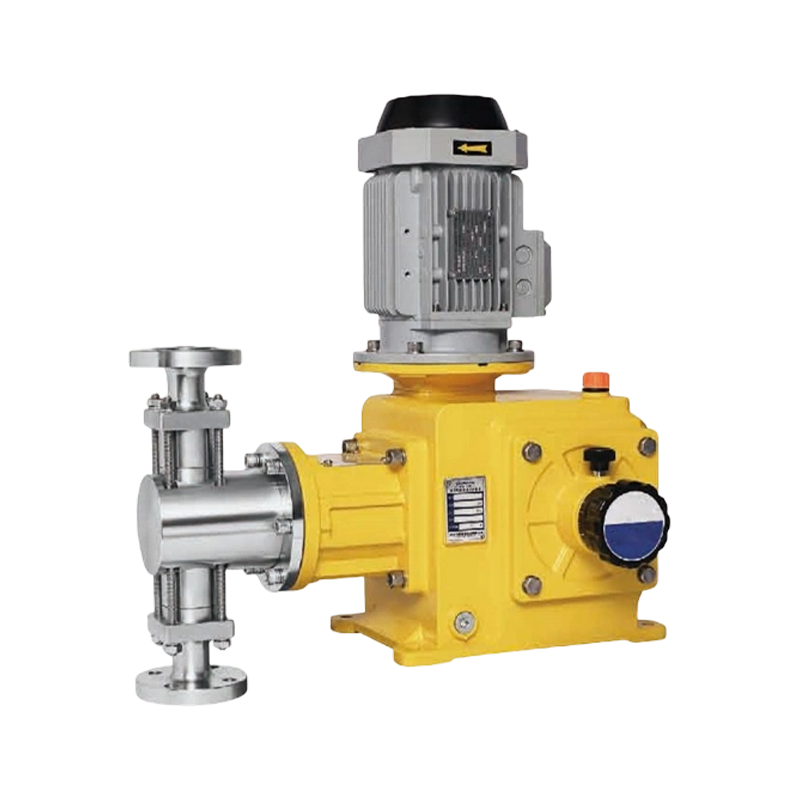
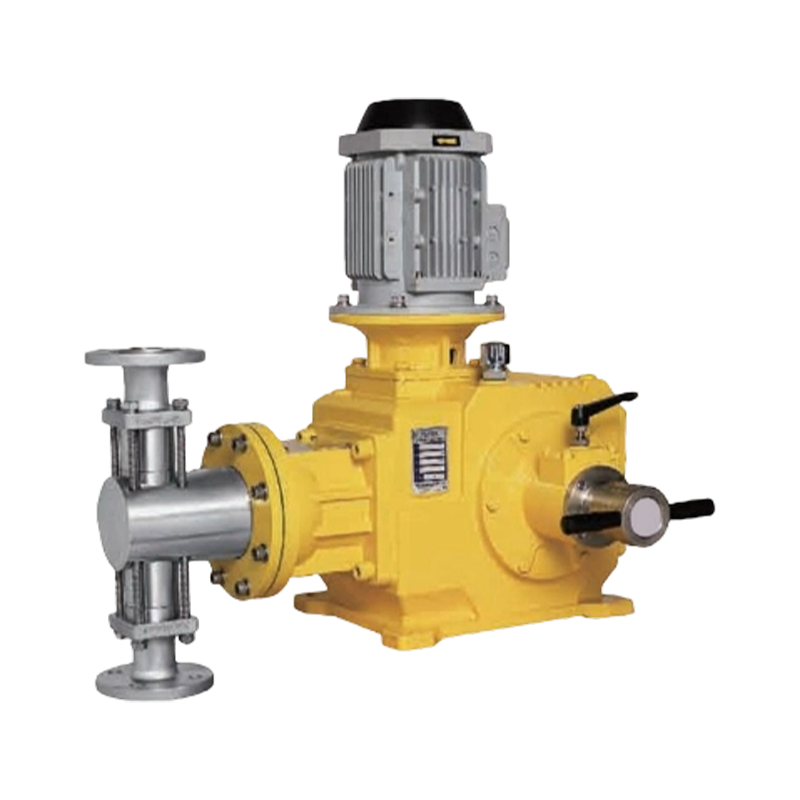
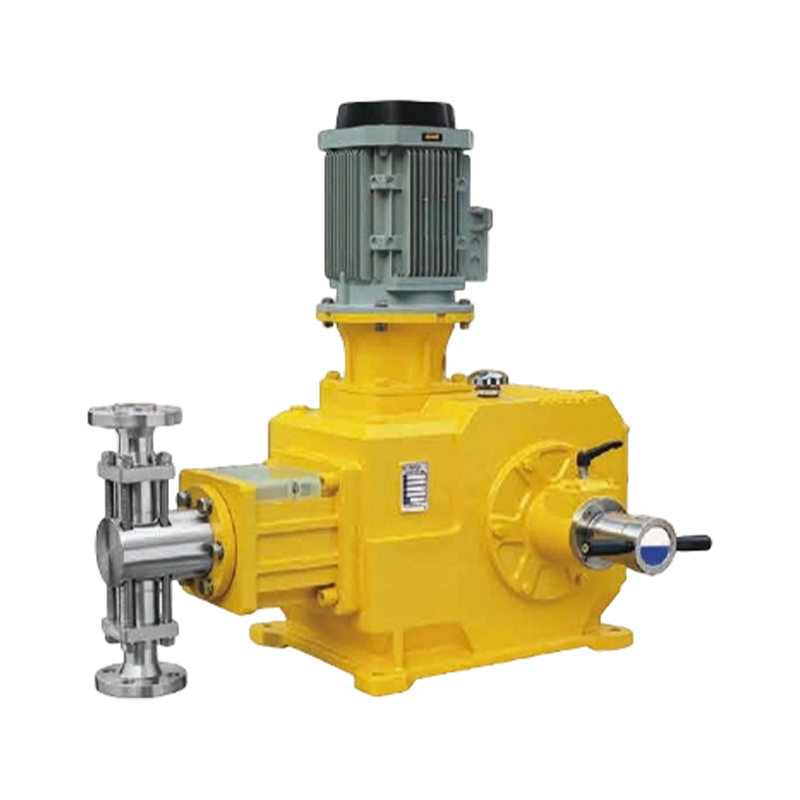

SYEELAI is a China-based manufacturer and direct supplier of corrosion-resistant fluid handling equipment. Within our Metering Pump program, plunger metering pumps are engineered for processes that demand high discharge pressure and repeatable volumetric dosing. As Custom Plunger Metering Pump Manufacturers, we build the drive, liquid end and control interface around the duty point, and we support each unit through installation, commissioning and after-sales service.
Because the plunger displaces liquid directly in the pump head, volumetric efficiency stays high across the working envelope. This makes the design the preferred choice when system pressure exceeds the practical limits of standard diaphragm pumps and the liquid is non-hazardous. For hazardous, abrasive or shear-sensitive media, the Mechanical Diaphragm Metering Pump range is the better starting point. The plunger series below is our primary high-pressure offer.
Plunger Metering Pump Range from SYEELAI
We supply five defined series in this category, each positioned for a different combination of pressure, precision and duty cycle:
For reagent injection, additive dosing and pilot-plant metering where steady small-to-medium flow is required. Manual or automatic stroke adjustment can be specified.
For continuous industrial process feed and high-cycle dosing trains where the drive end must handle sustained operation.
For municipal and industrial water and wastewater dosing of coagulant, flocculant, pH-control and disinfection chemicals with straightforward maintenance.
For high-pressure injection, boiler treatment and pressure-fed transfer where the liquid end and packing arrangement must hold elevated pressure reliably.
For general-purpose chemical dosing and transfer duties with a wide flow range and adaptable mounting and control configuration.
Series comparison at a glance
| Series | Design emphasis | Typical application fit | Configuration notes |
|---|---|---|---|
| JX — High-Precision | Precision small-to-medium flow metering | Reagent injection, additives, pilot-plant dosing | Manual or automatic stroke control, line-signal integration |
| JZ — Heavy-Duty | Continuous high-cycle running | Petrochemical process feed, industrial dosing trains | Reinforced drive end, sustained duty rating |
| JB — Water Treatment | Robust, low-maintenance operation | Municipal and industrial water-wastewater dosing | Corrosion-resistant liquid-end options, easy service access |
| JD — High-Pressure | Elevated discharge pressure | High-pressure injection, boiler treatment, pressure-fed transfer | Pressure-rated liquid end and packing arrangement |
| JT — Reciprocating | General-purpose reciprocating dosing | General chemical dosing, transfer and utility systems | Wide flow range, adaptable mounting and control |
Application Fit and Process Considerations
Our plunger pumps are applied in chemical processing, environmental protection, water treatment, electroplating, pharmaceutical production and new-energy process lines. Typical duties are accurate chemical feed into a pressurized header: inhibitor injection in petrochemical loops, scale-control dosing in cooling circuits, coagulant feed in clarifiers, and additive injection in plating baths.
The pump alone is only part of a reliable dosing line. For packaged systems, we pair the pump with calibration columns, pulsation dampers, back-pressure valves and the necessary piping accessories, and we can deliver the complete layout through our Chemical Mixing and Dosing Solution engineering offering.
Materials, Specifications and Configuration
The liquid end is specified by chemical compatibility, not by a default parts list. We review the fluid composition, temperature and pressure before selecting wetted materials: stainless steel versions cover most water-treatment and aqueous chemical duties, while hardened plunger surfaces, ceramic plungers and polymer-based packing arrangements are considered where abrasion, temperature or chemical attack is more demanding.
Critical specifications we confirm before configuration:
- Rated flow, turndown and required accuracy at the working point
- Discharge pressure, suction pressure and available NPSH
- Liquid name, concentration, temperature, viscosity, specific gravity and solids content
- Wetted part material preference or corrosion data
- Power supply, motor frame and area-classification requirements
- Process connection size, flange standard and piping layout
Flow is adjusted by stroke length or stroke frequency. We can equip the pump with electric stroke adjustment, a variable-frequency drive, 4-20 mA or pulse setpoint control, and remote start-stop, so the pump follows a PLC or DCS dosing loop directly.
Quality Assurance and Acceptance
SYEELAI operates a full-chain standardized inspection system. Raw materials are sampled and verified at incoming inspection, fixed-point patrol inspection runs during production, and finished pumps receive full-performance verification before dispatch. Inspection data is kept complete and traceable from material receipt through final test.
Our factory in Yixing, Jiangsu Province, holds complete industrial qualifications, and certification documents can be included in the project package. Before shipment, the performance runs are confirmed against the agreed duty point; delivery documentation covers the test record, material references and the configuration list.
Installation, Maintenance and Service
Reciprocating pumps generate pulsation in the piping. For long suction or discharge lines, we recommend pulsation dampers, a back-pressure valve to prevent overfeed by gravity, and a calibration column for direct dose verification during commissioning.
Service coverage is 24/7 and includes remote diagnosis, on-site guidance and after-sales maintenance. We create an exclusive service file for each delivered unit and track operating status, so the spare parts plan — valves, packing, gaskets and check assemblies — matches the actual duty.
Information We Use to Configure Your Solution
To prepare a configuration and quotation, we need the duty envelope rather than only a catalogue size. The data below fixes the pump series, liquid end, control mode and piping accessories:
| Project data | Why it matters |
|---|---|
| Liquid characteristics (name, concentration, pH, temperature, viscosity, solids) | Defines wetted materials, packing design and NPSH check |
| Flow rate at normal and minimum conditions | Sets stroke length, speed and required turndown |
| Discharge and suction pressure, line length and diameter | Determines pressure rating, pulsation damping and valve sizing |
| Control method (manual, 4-20 mA, pulse, fieldbus) and PLC/DCS protocol | Selects actuator and control interface |
| Power supply, motor type and area classification | Fixes motor frame, protection class and safety configuration |
| Installation space, duty cycle and service access | Shapes the pump frame, baseplate and maintenance layout |
Customer Questions
What is the difference between a plunger and a diaphragm metering pump?
In a plunger pump, the plunger displaces liquid directly in the head, giving high volumetric efficiency and the ability to reach high discharge pressure. A diaphragm pump isolates the process liquid behind a flexible diaphragm, which is preferred for hazardous, abrasive or shear-sensitive media. We recommend the plunger type when the liquid is non-hazardous and the system pressure exceeds diaphragm pump limits.
Can the pump follow an existing PLC or DCS setpoint?
Yes. We configure electric stroke adjustment, variable-frequency drive, or pulse and 4-20 mA setpoint controls, together with remote start-stop and status feedback, so the pump becomes a direct element of your dosing loop.
Which materials are available for the wetted parts?
We select the liquid-end material from the fluid data you supply. Stainless steel versions cover most water-treatment and chemical duties; hardened or ceramic plunger surfaces and appropriate packing arrangements are used for abrasive, high-temperature or more aggressive chemical service. The final combination is listed in the configuration documentation.
What information do you need to prepare a quotation?
Send the fluid characteristics, normal and minimum flow, discharge and suction pressure, connection size, power supply and the control signal used by the line. With that data we can fix the series, liquid end, motor, control interface and accessories in one proposal.
Do you performance-test pumps before shipment?
Yes. Finished pumps receive full-performance verification before dispatch, and complete inspection data is maintained for traceability. Test records and material references can be included in the delivery documentation.

Through standardized quality inspection procedures, we strictly control every link from raw materials to finished products, ensuring each product meets high-quality requirements.
+86-13861218983 Telephone
+86-13861218983 whatsapp
[email protected] Email
No. 89, Gehu Road, Gaocheng Town, Yixing City, Jiangsu Province, China Factory
Get in TouchCopyright © Jiangsu Syeelai Environmental Technology Co., Ltd. All rights reserved.Custom Plunger Dosing Pump Suppliers
